

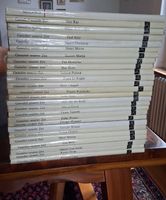
Art & Ideas (Phaidon)
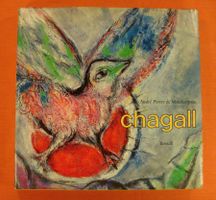
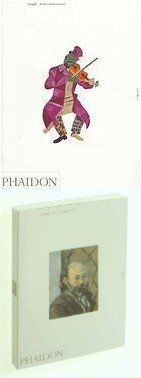
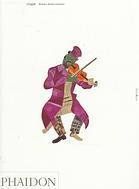
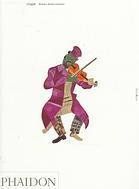
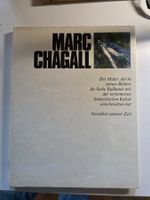
Chagall
Monica Bohm-Duchen
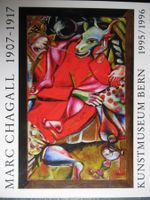
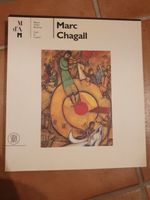
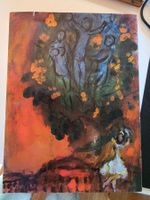
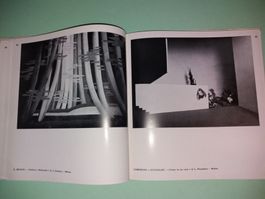
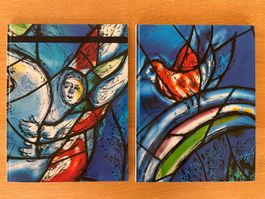
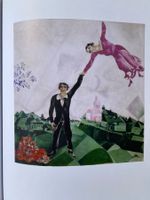
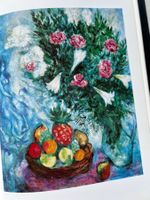
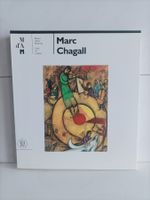
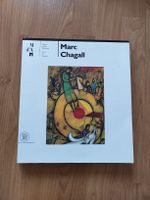
One of the best-loved artists of the twentieth century, Marc Chagall (1887-1985) is paradoxically one of the least understood. Although his colourful images of flying cows and floating lovers may seem naive, and he promoted a view of himself as an intuitive genius, he was in fact a complex and sophisticated individual. In this book, Monica Bohm-Duchen places the artist firmly in his social, religious and cultural context, examining his prodigious output not only in painting but also in book illustration, theatre design, stained glass and poetry. She follows Chagall from his Russian-Jewish childhood, through his encounter with the Parisian avant-garde in the period prior to World War I and his activities in revolutionary Russia, to his later years in America and the South of France, where he died at the age of ninety-seven. The first survey of Chagall's work to take full advantage of new material available to the West since glasnost, the book encourages a critical reappraisal of all phases of the artist's long career.
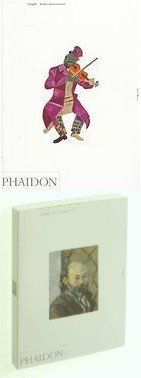
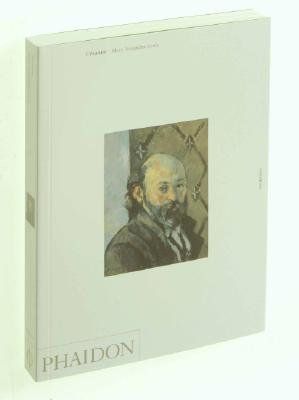
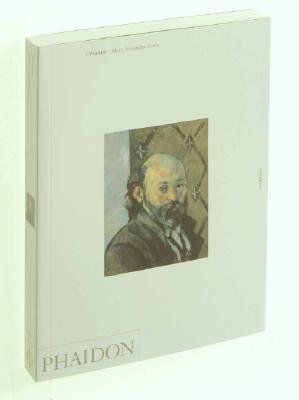
Cezanne
Mary Tompkins Lewis
With his distinctive paintings of landscapes, figures and still lifes, Paul Cézanne (1839-1906) profoundly influenced the Cubists and the direction of twentieth-century art in general. In this lively account of the artist's life and work, Mary Tompkins Lewis traces Cézanne's career from his early years in Aix-en-Provence, struggling to become a painter in the face of opposition from his father, through his time in Paris studying the Old Masters and working with the Impressionists, to his later, reclusive years back in Provence, when he produced the pictures that made him the precursor of a new art. However important Cézanne's work was for later generations, Lewis argues that his legacy can be fully understood only in the context of both the social and historical circumstances of late nineteenth-century France, and the regional aspirations and tensions of Provence. This is the first study of Cézanne to bring biographical, formal and larger contextual approaches to bear on the artist's full career. In doing so, Lewis has shed new light on Cézanne as an artist of his own time and place.


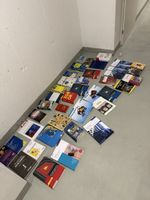
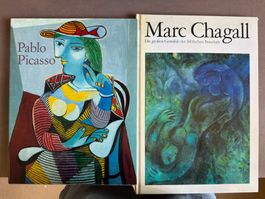
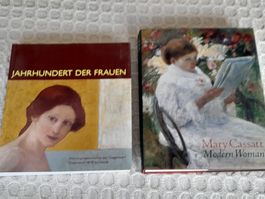
)
)
-belarus-france-kandinsky-matisse)
)