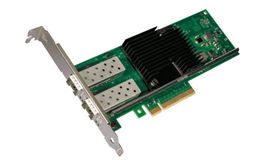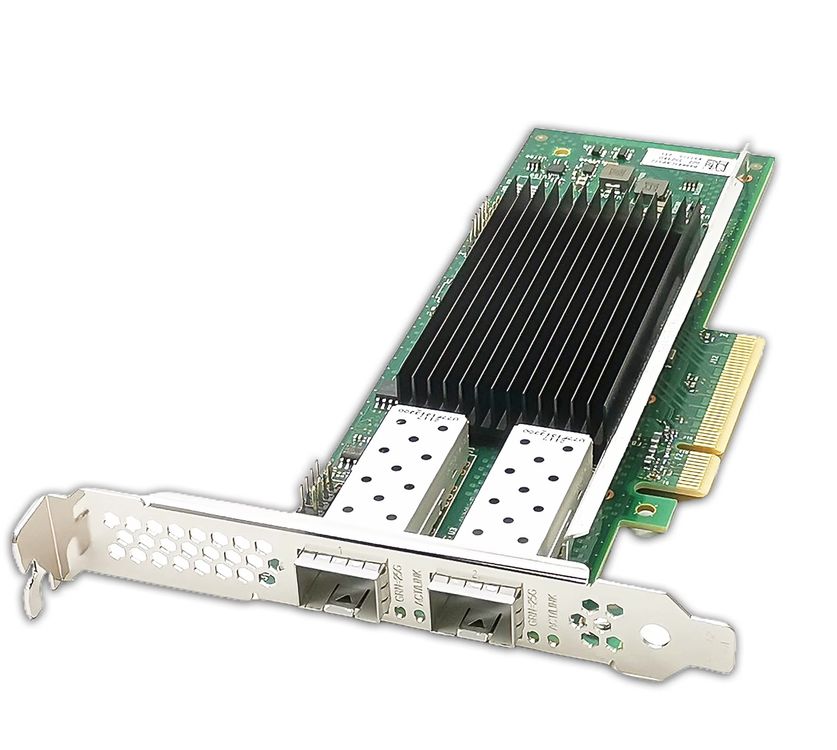
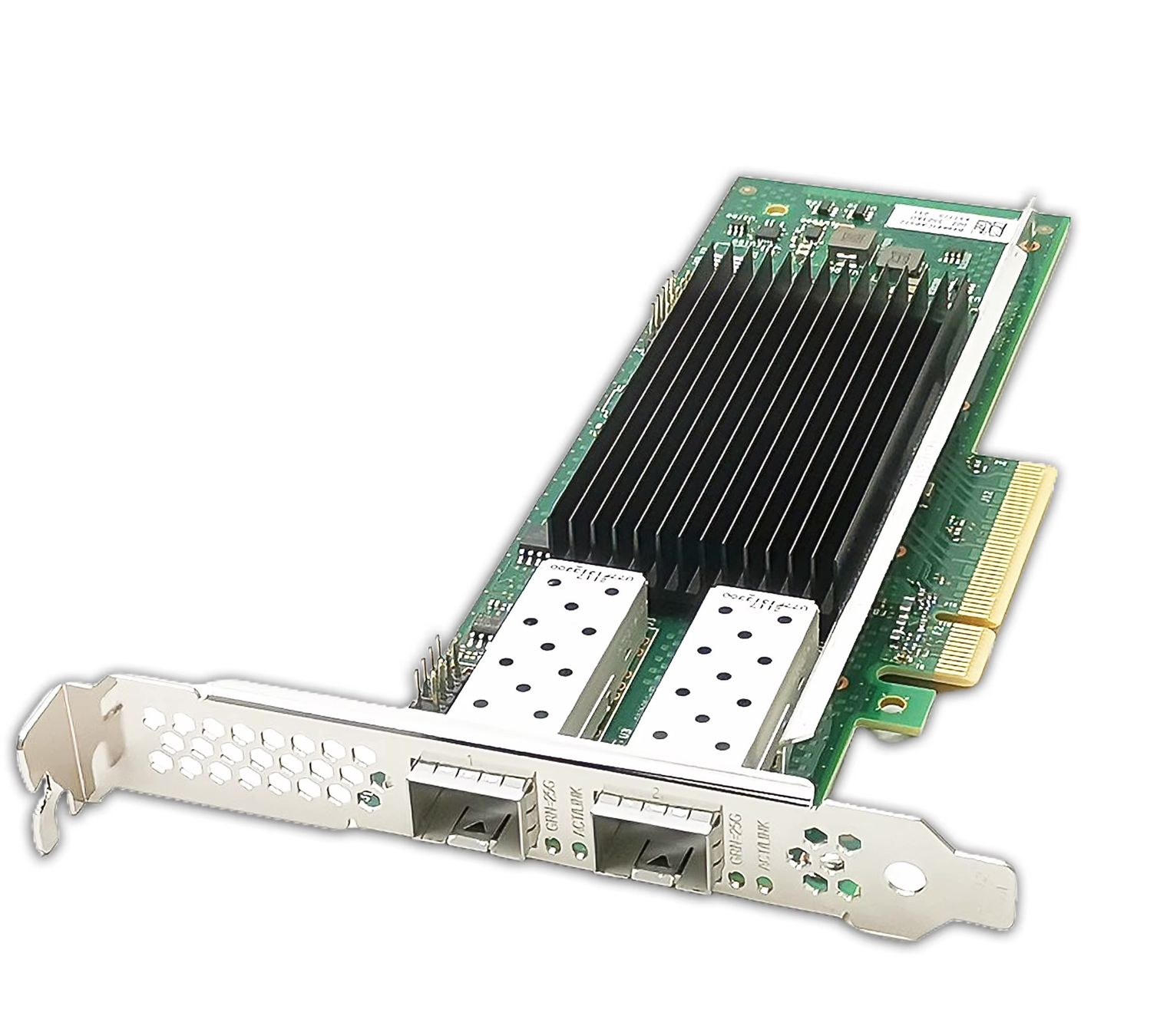
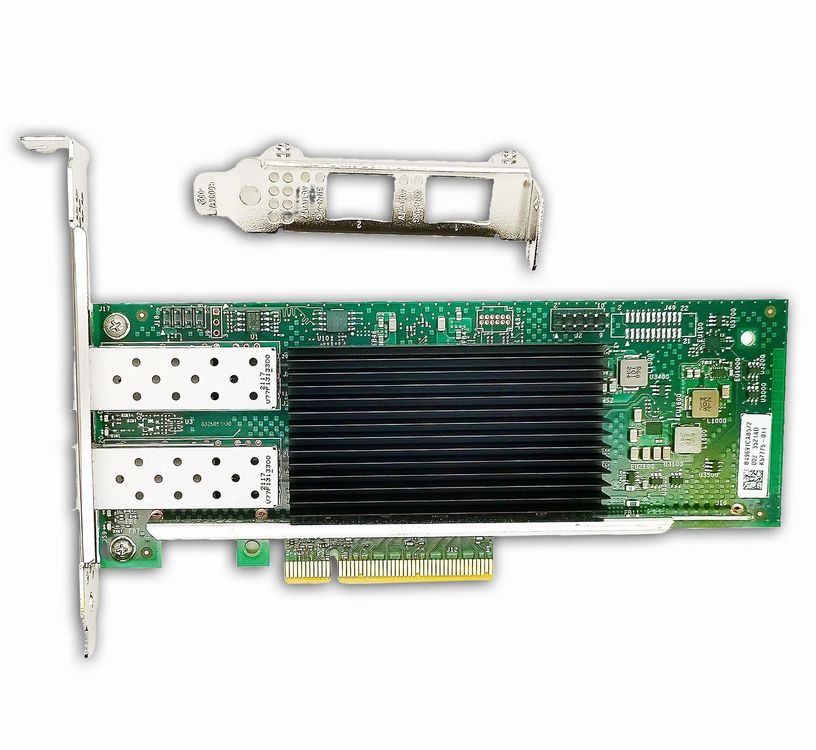
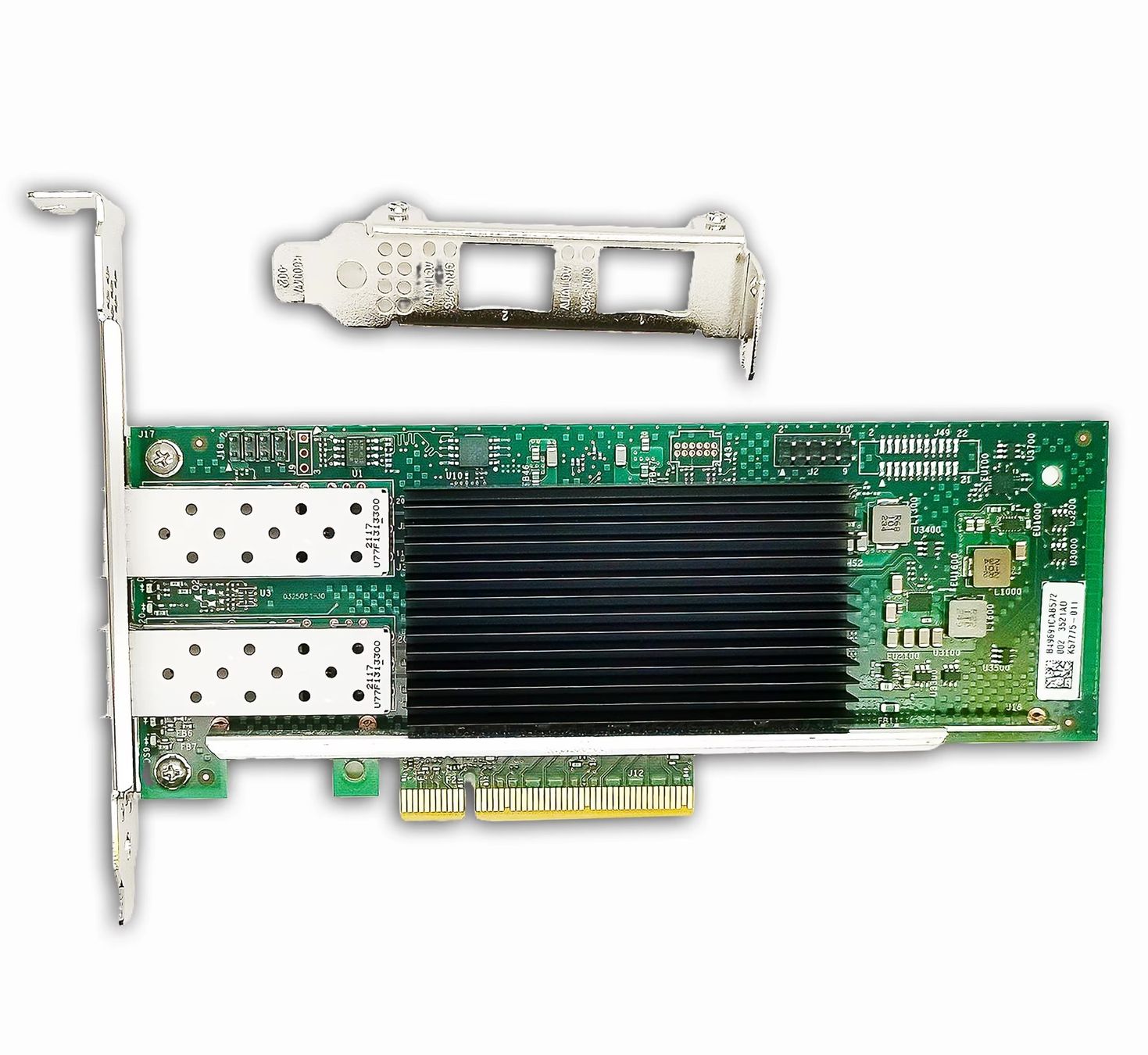
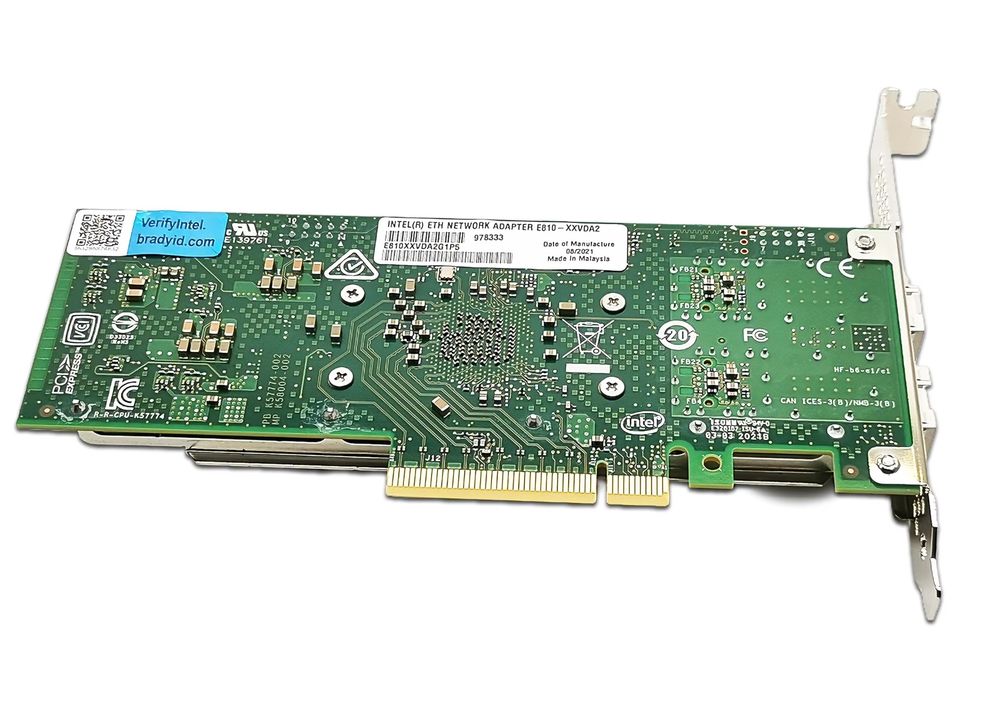
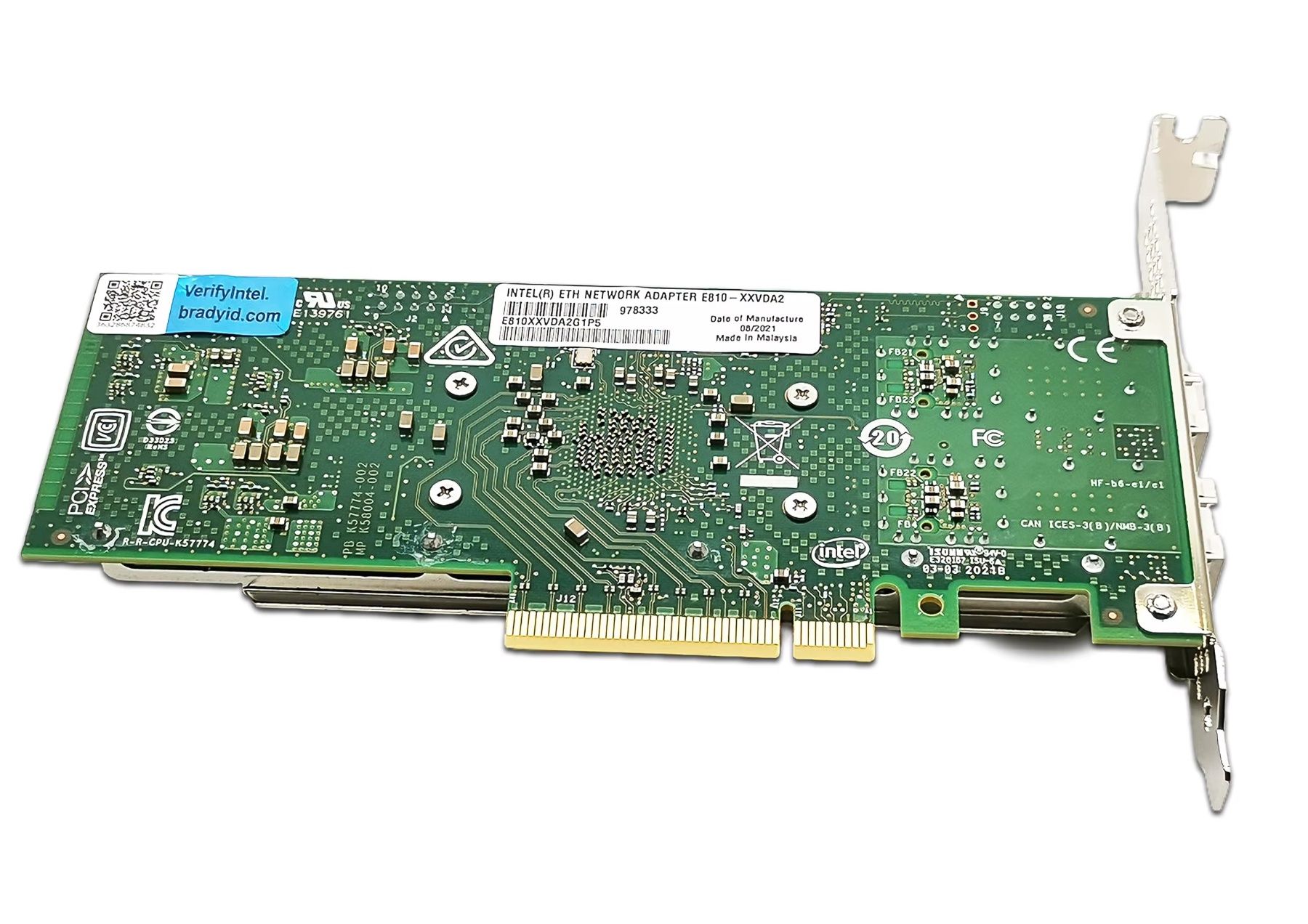
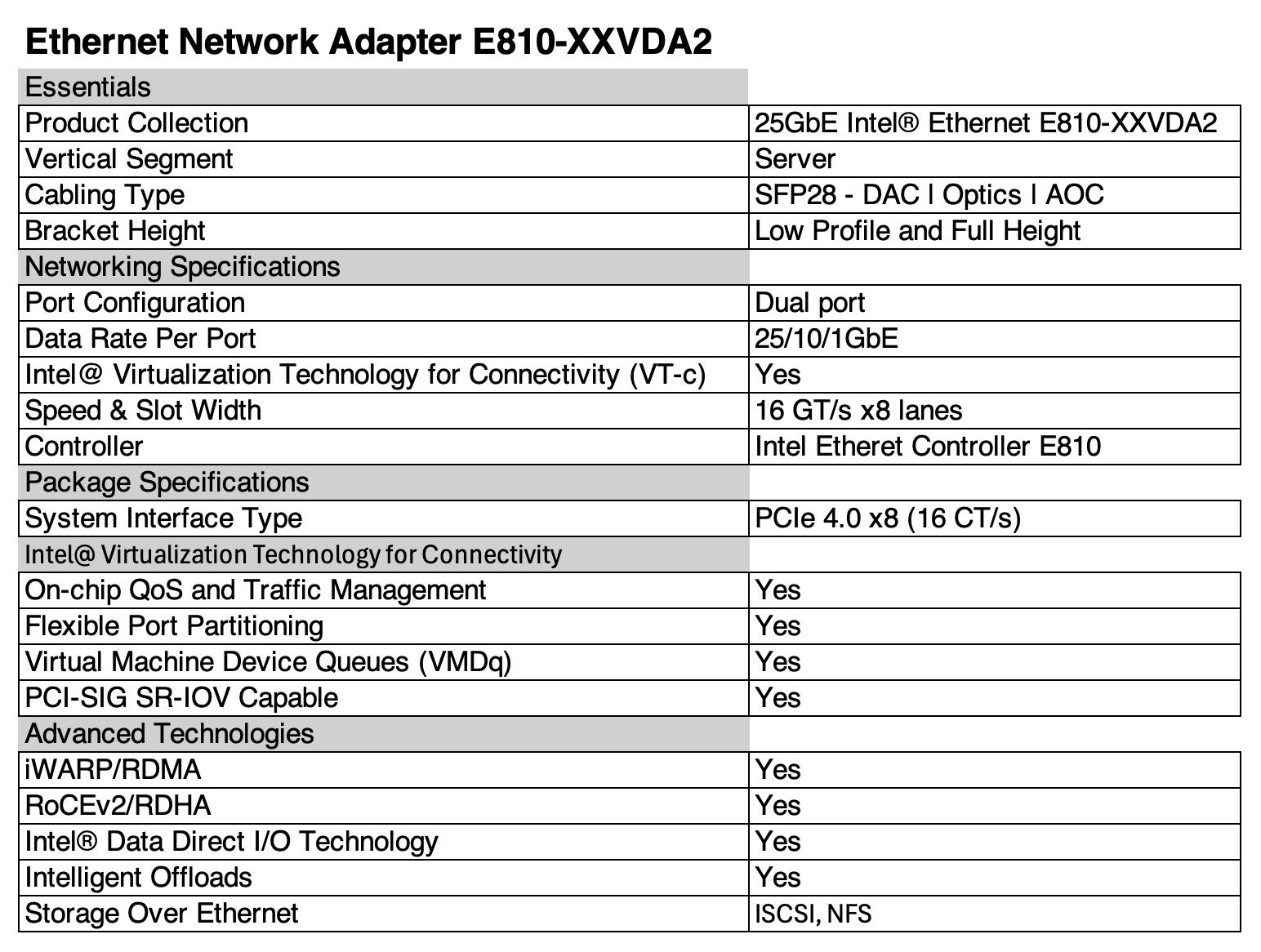
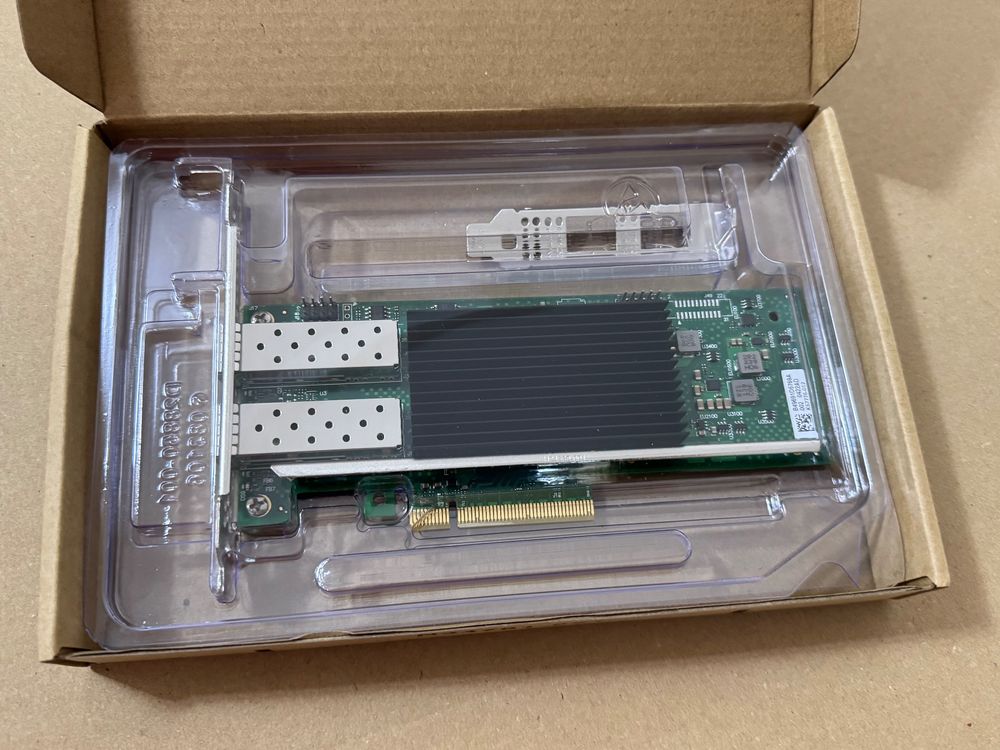
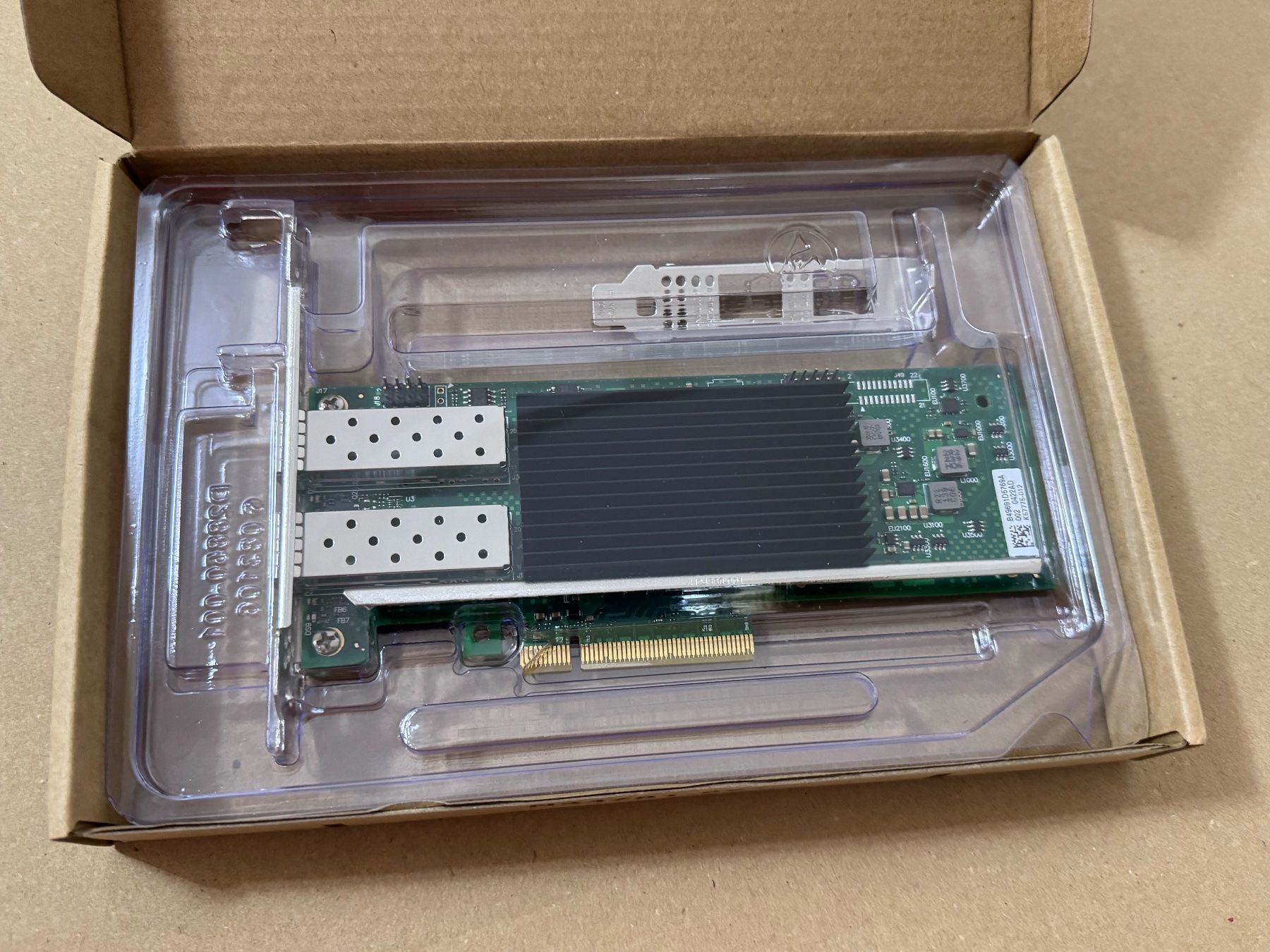


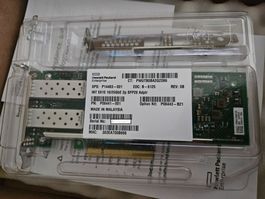
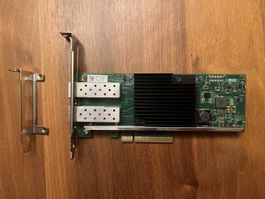
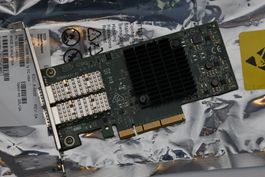
Intel Ethernet Adapter E810-XXVDA2
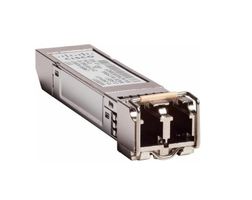
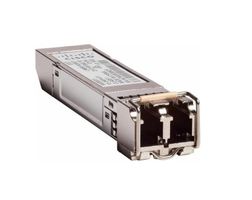
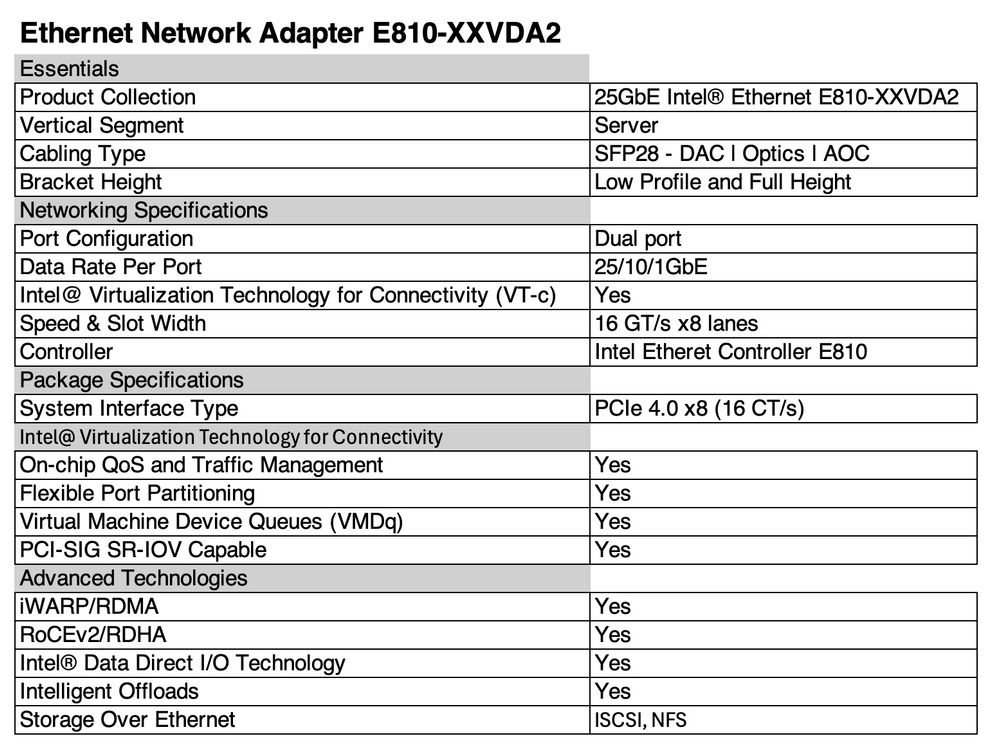
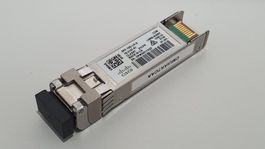
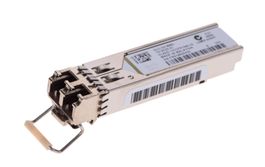
25Gbps SFP28(2x) = DAC, AOC, Fiber
25Gbps / 10Gbps /1Gbps
+ RDMA, VT-c, SR-IOV features.
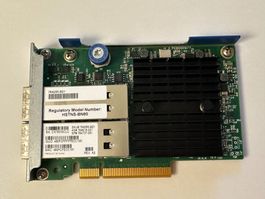
Intel E810-XXVDA2 network card is a powerful Ethernet solution designed for modern network environments. With a maximum data transfer rate of up to 25 Gbit/s, this network card offers high bandwidth suitable for data-intensive applications and virtualization environments. The card is equipped with two SFP28 ports, with support of 25/10/1Gbps, allowing for flexible connections to various network architectures.
IWARP/RDMA
iWARP provides converged, low-latency fabric services for data centers through Remote Direct Memory Access (RDMA) over Ethernet. The key iWARP components that ensure low latency are kernel bypass, direct data placement, and transport acceleration.
Intel Data Direct I/O Technology
Intel Data Direct I/O Technology is a platform technology that enhances the efficiency of I/O data processing for the transmission and utilization of I/O devices. With Intel DDIO, Intel server adapters and controllers communicate directly with the processor cache, bypassing system memory, which reduces latency, increases system I/O bandwidth, and lowers power consumption.
PCI-SIG SR-IOV capable
Single-Root I/O Virtualization (SR-IOV) enables the native sharing of a single I/O resource among multiple virtual machines. SR-IOV provides a mechanism whereby a single root function (such as a single Ethernet port) can appear as multiple separate physical devices.
Flexible Port Partitioning
The Flexible Port Partitioning (FPP) technology utilizes the industry-standard PCI SIG SR-IOV standard to efficiently divide your physical Ethernet device into multiple virtual devices. It offers a quality guarantee by ensuring that each process is assigned to a virtual function and receives a fair share of the bandwidth.
Virtual Machine Device Queues (VMDq)
Virtual Machine Device Queues (VMDq) is a technology designed to offload part of the switching performed in the Virtual Machine Monitor (VMM) to network hardware specifically designed for this function. VMDq significantly reduces the overhead associated with I/O switching in the VMM, greatly improving throughput and overall system performance.


)
)