remise en main propre à notre domicile de Crans Montana, uniquement après payement par virement bancaire préalable, pas de payement en espèce au moment du retrait du livre, trop d'acheteurs fantômes
ou
envoi en colis B pour 9 frs (total 20 frs) (n'hésitez pas à grouper vos achats pour réduire les frais d'envoi) après payement par virement bancaire préalable (prix du/des livres + frais d'envoi), notre IBAN bancaire vous sera communiqué après l'achat
+++++++++++++++++++++++++++++++++++++++++++++++++++++++++++++++++++++++++++++++
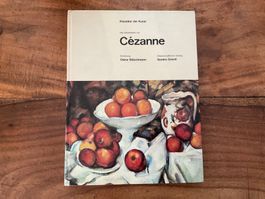
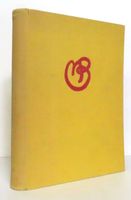
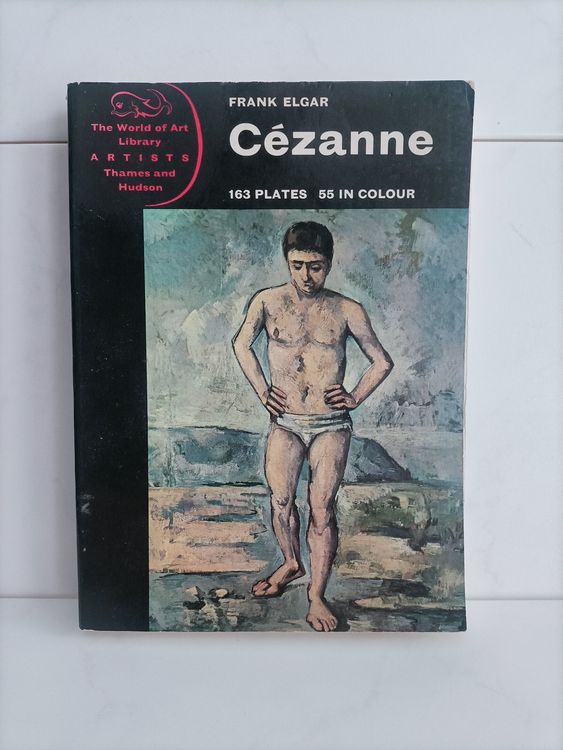
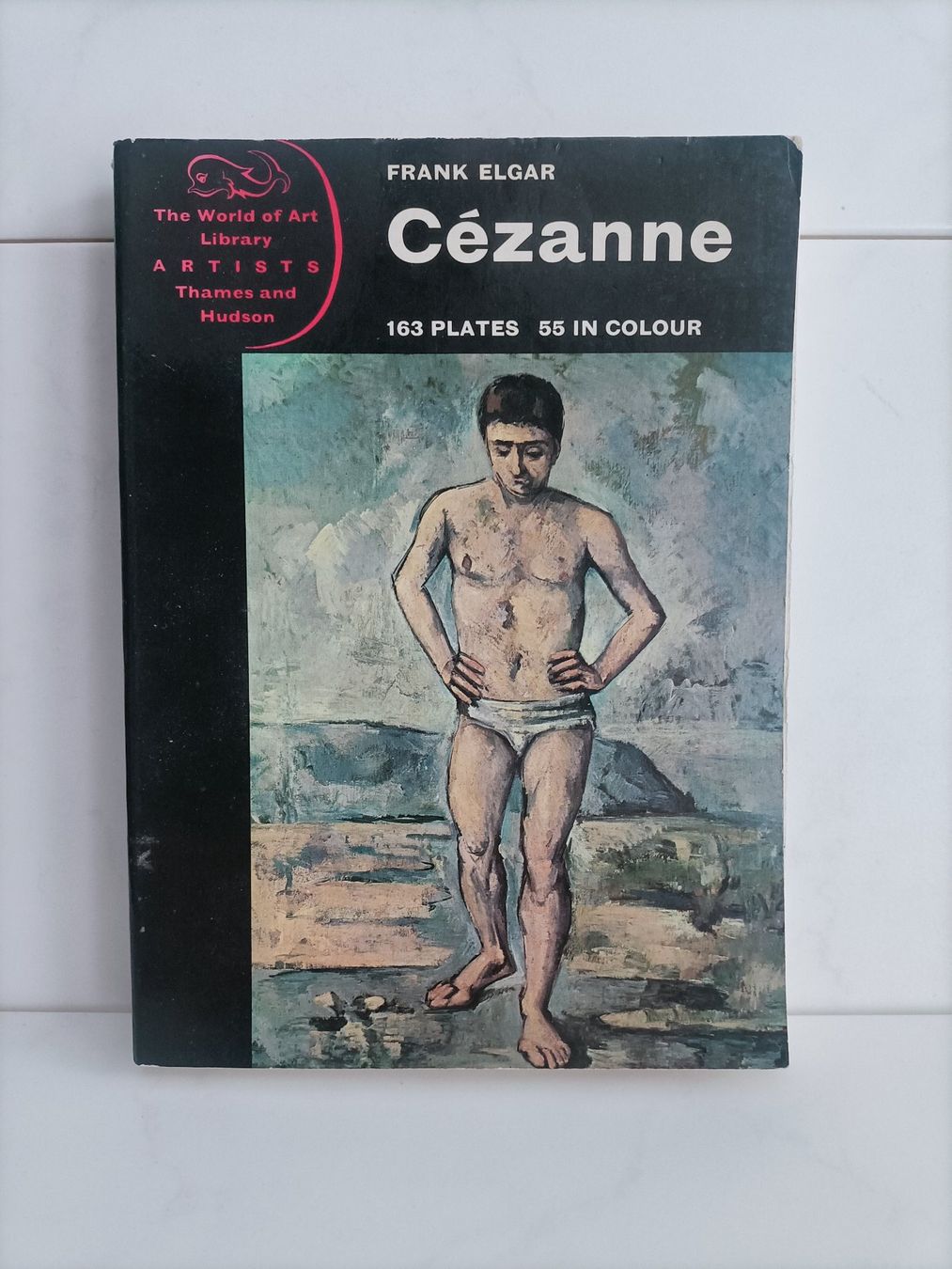
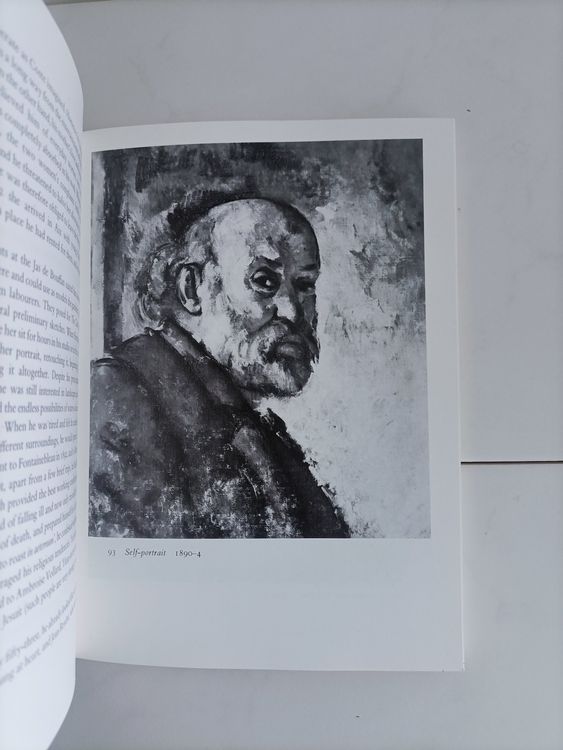
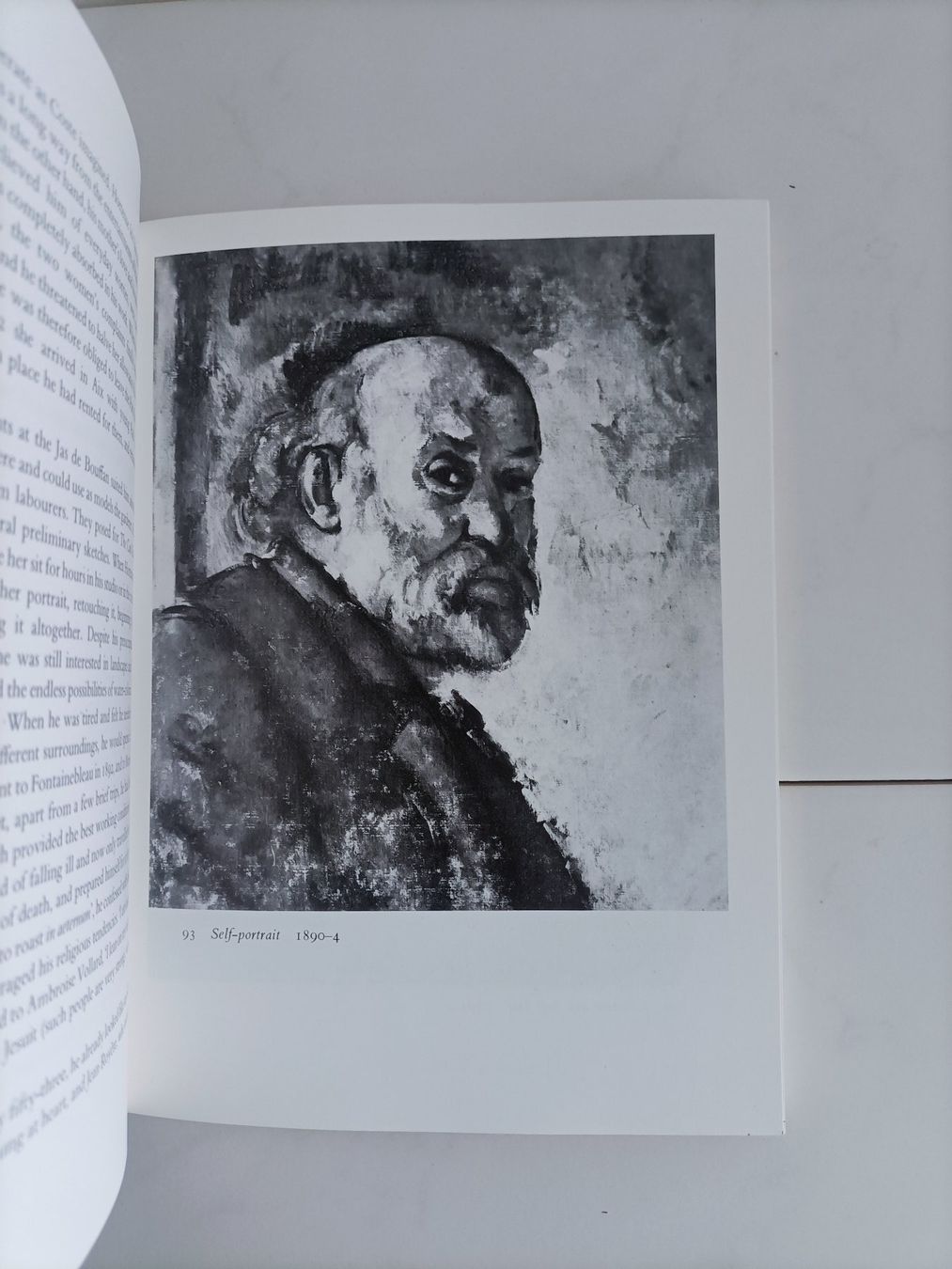
Cézanne / Frank Elgar / Thames and Hudson1969
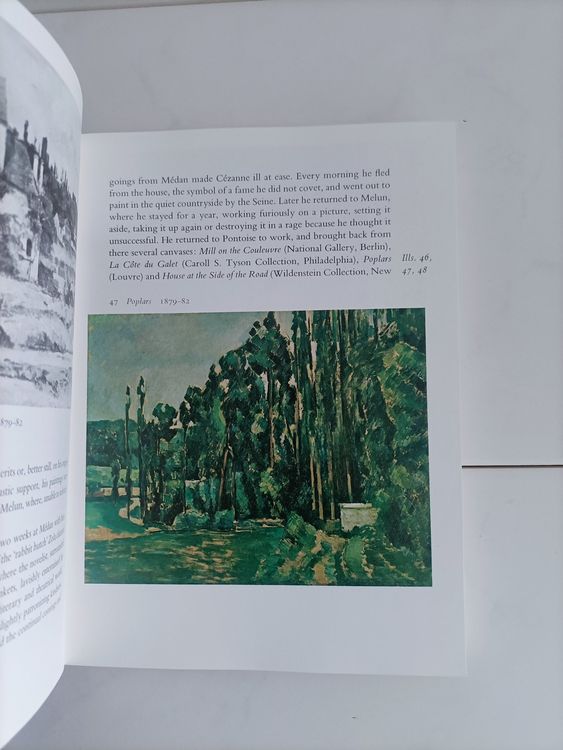
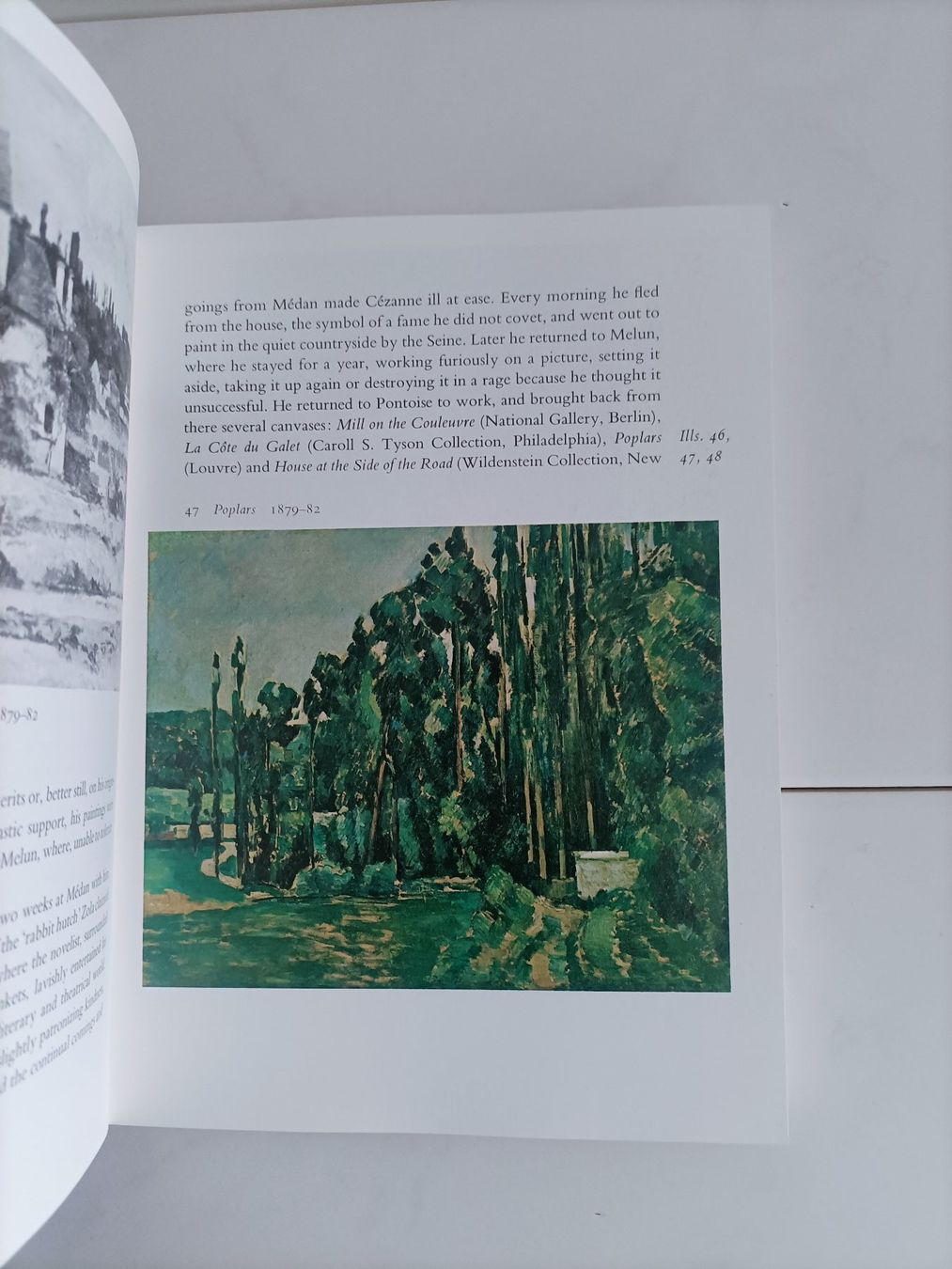
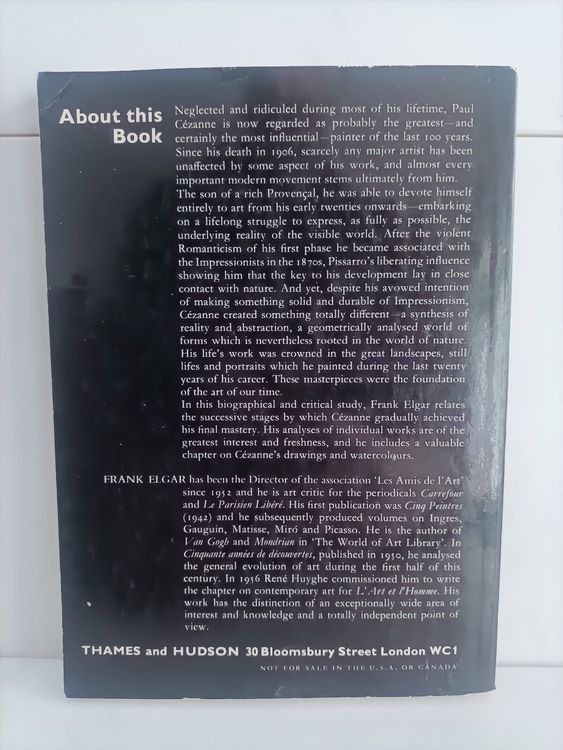
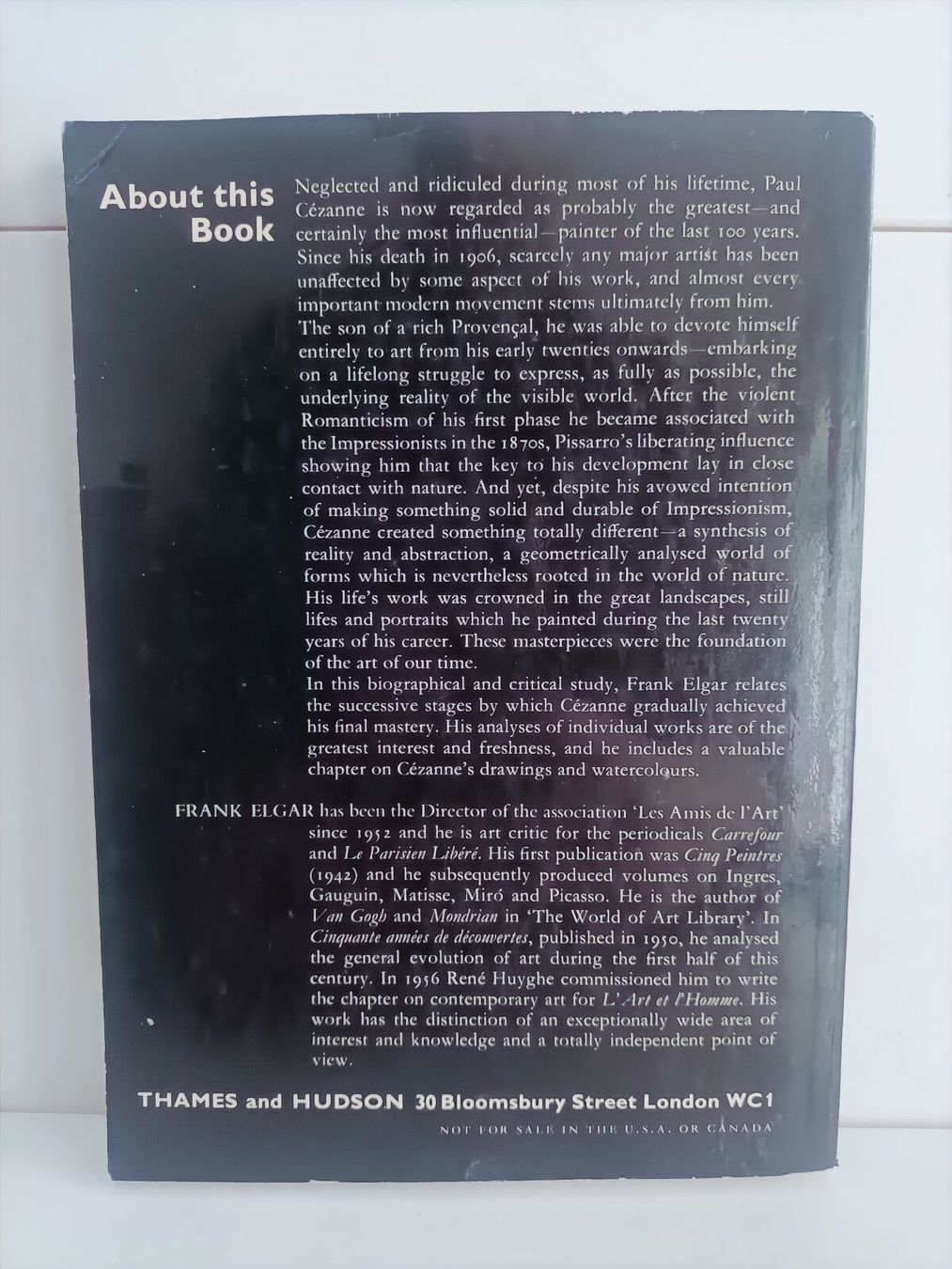
Neglected and ridiculed during most of his lifetime, Paul Cézanne is now regarded as probably the greatest-and certainly the most influential-painter of the last 100 years. Since his death in 1906, scarcely any major artist has been unaffected by some aspect of his work, and almost every important modern movement stems ultimately from him. The son of a rich Provençal, he was able to devote himself entirely to art from his early twenties onwards-embarking on a lifelong struggle to express, as fully as possible, the underlying reality of the visible world. After the violent Romanticism of his first phase he became associated with the Impressionists in the 1870s, Pissarro's liberating influence showing him that the key to his development lay in close contact with nature. And yet, despite his avowed intention of making something solid and durable of Impressionism, Cézanne created something totally different-a synthesis of reality and abstraction, a geometrically analysed world of forms which is nevertheless rooted in the world of nature. His life's work was crowned in the great landscapes, still lifes and portraits which he painted during the last twenty years of his career. These masterpieces were the foundation of the art of our time.
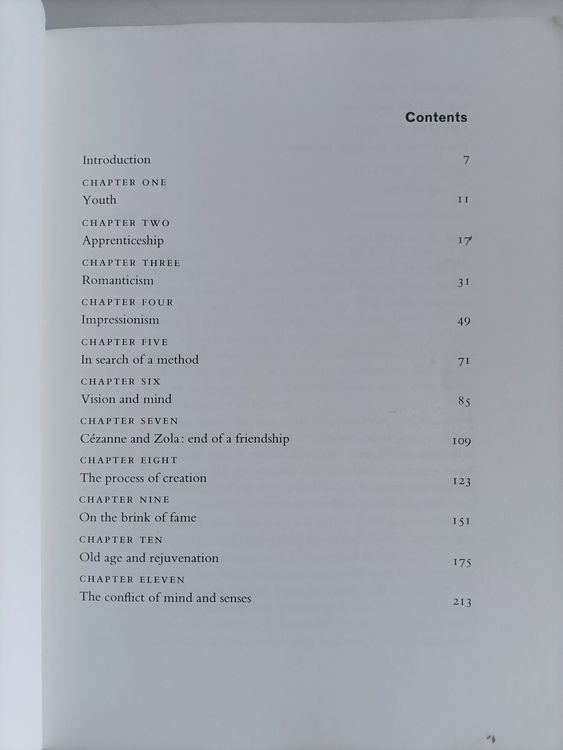
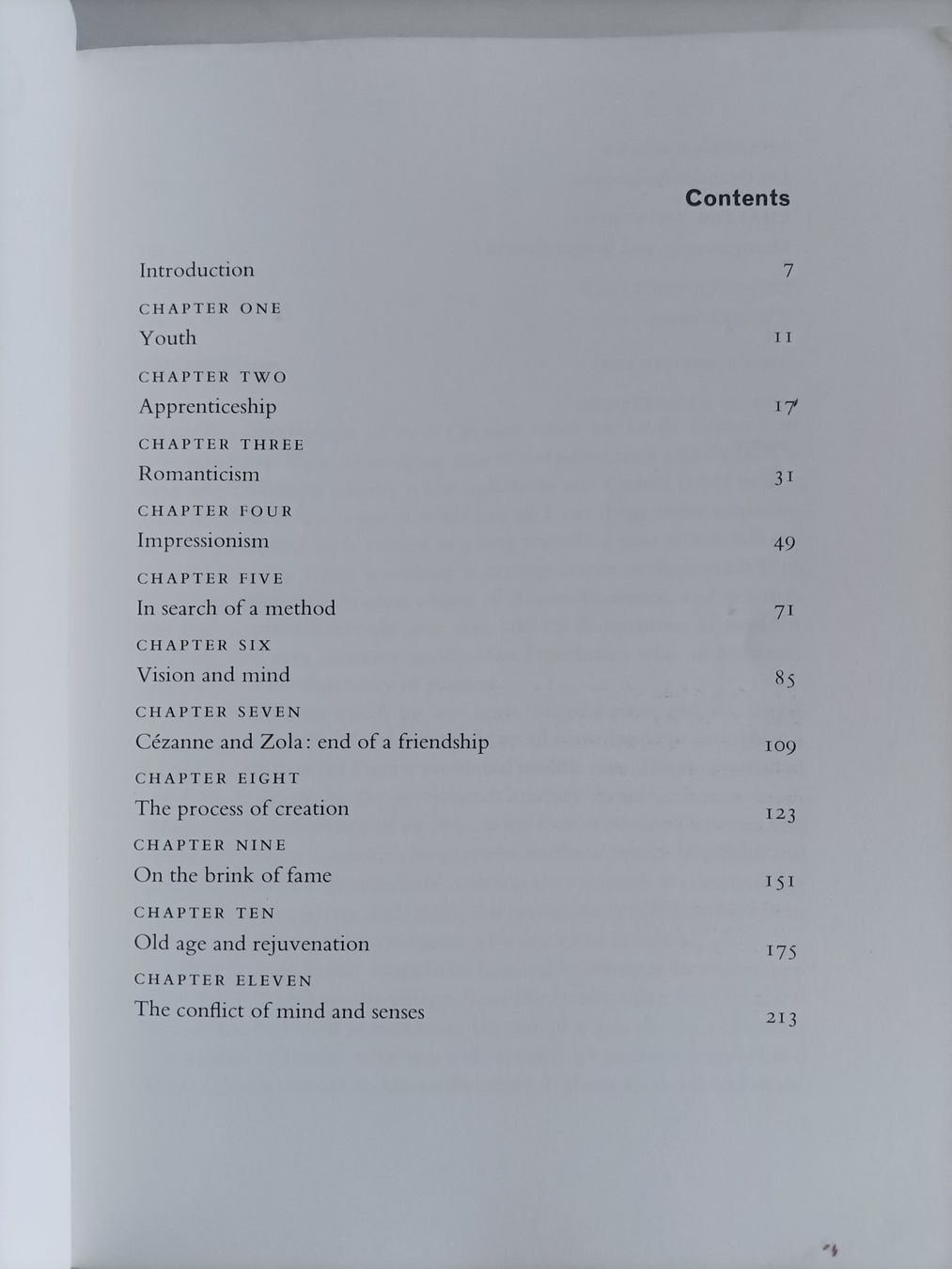
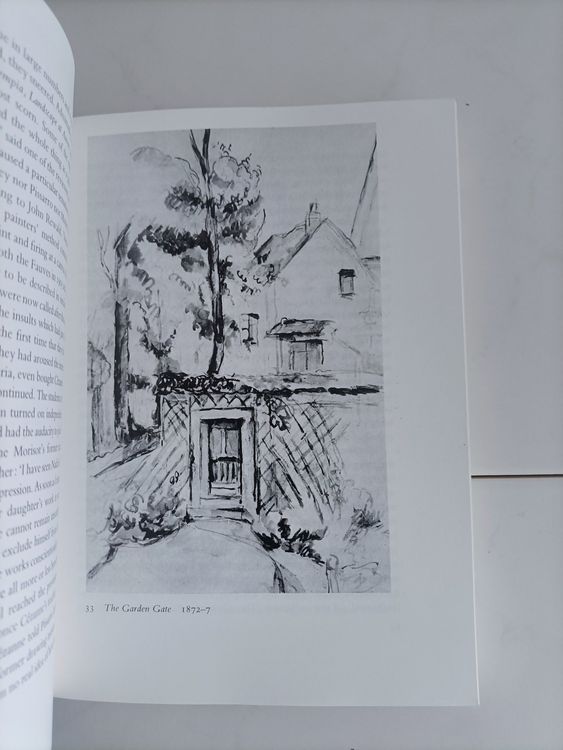
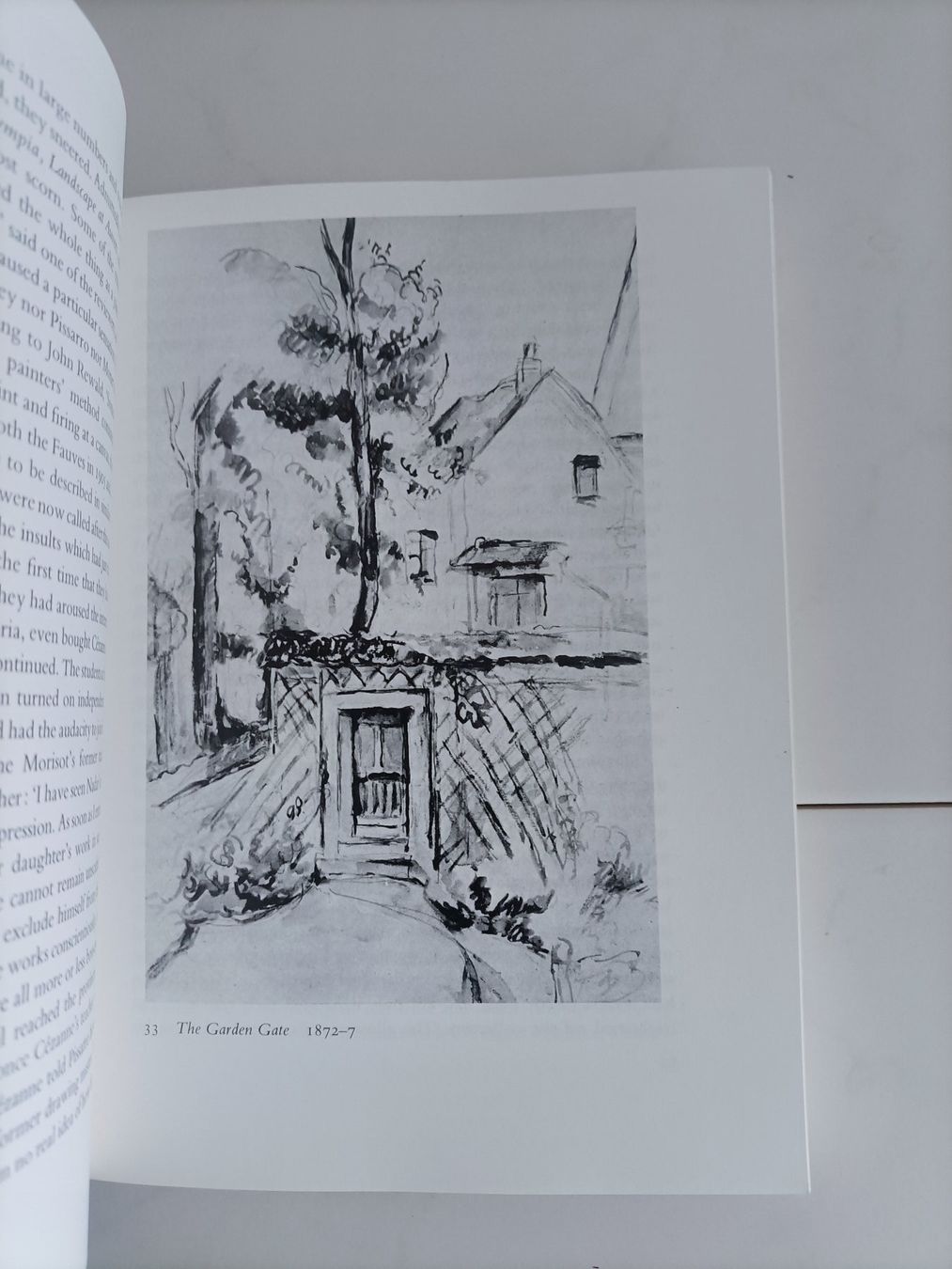
In this biographical and critical study, Frank Elgar relates the successive stages by which Cézanne gradually achieved his final mastery. His analyses of individual works are of the greatest interest and freshness, and he includes a valuable chapter on Cézanne's drawings and watercolours.
288 pages
15cm x 21cm
Paul Cézanne ou Paul Cezanne, né le 19 janvier 1839 à Aix-en-Provence et mort le 22 octobre 1906 dans la même ville, est un peintre français provençal, membre un temps du mouvement impressionniste et considéré comme le précurseur du post-impressionnisme et du cubisme. Par sa volonté de faire « du Poussin sur nature », il apparaît comme un continuateur de l'esprit classique français autant qu'un innovateur radical par l'utilisation de la géométrie dans les portraits, natures mortes et les nombreux paysages qu'il peint, d'Île-de-France et de Provence, particulièrement de la campagne d'Aix-en-Provence. Il a notamment réalisé une série de toiles ayant pour motif la montagne Sainte-Victoire. Il est considéré comme le « père de l'art moderne ».


)