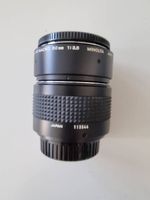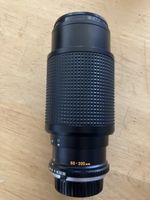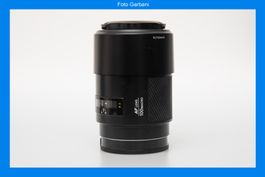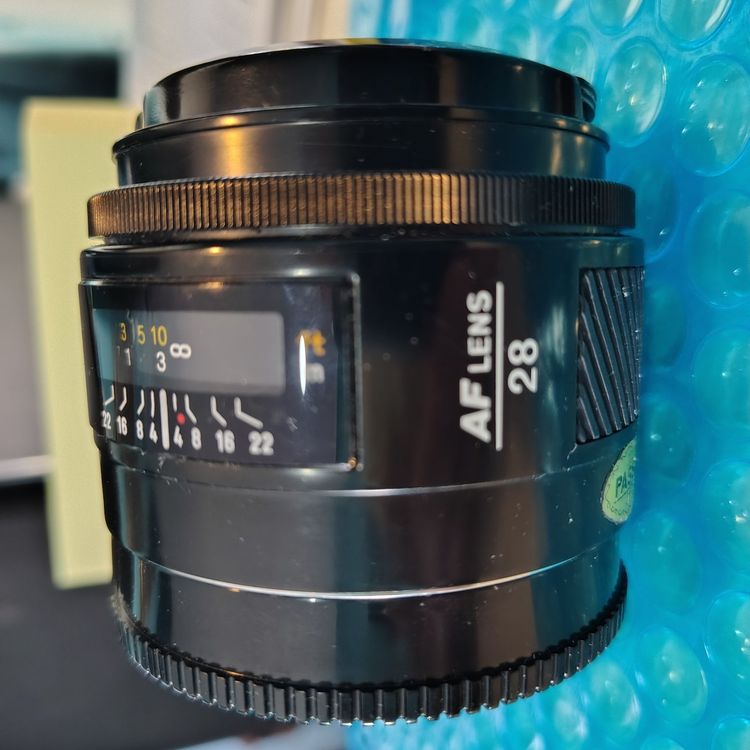
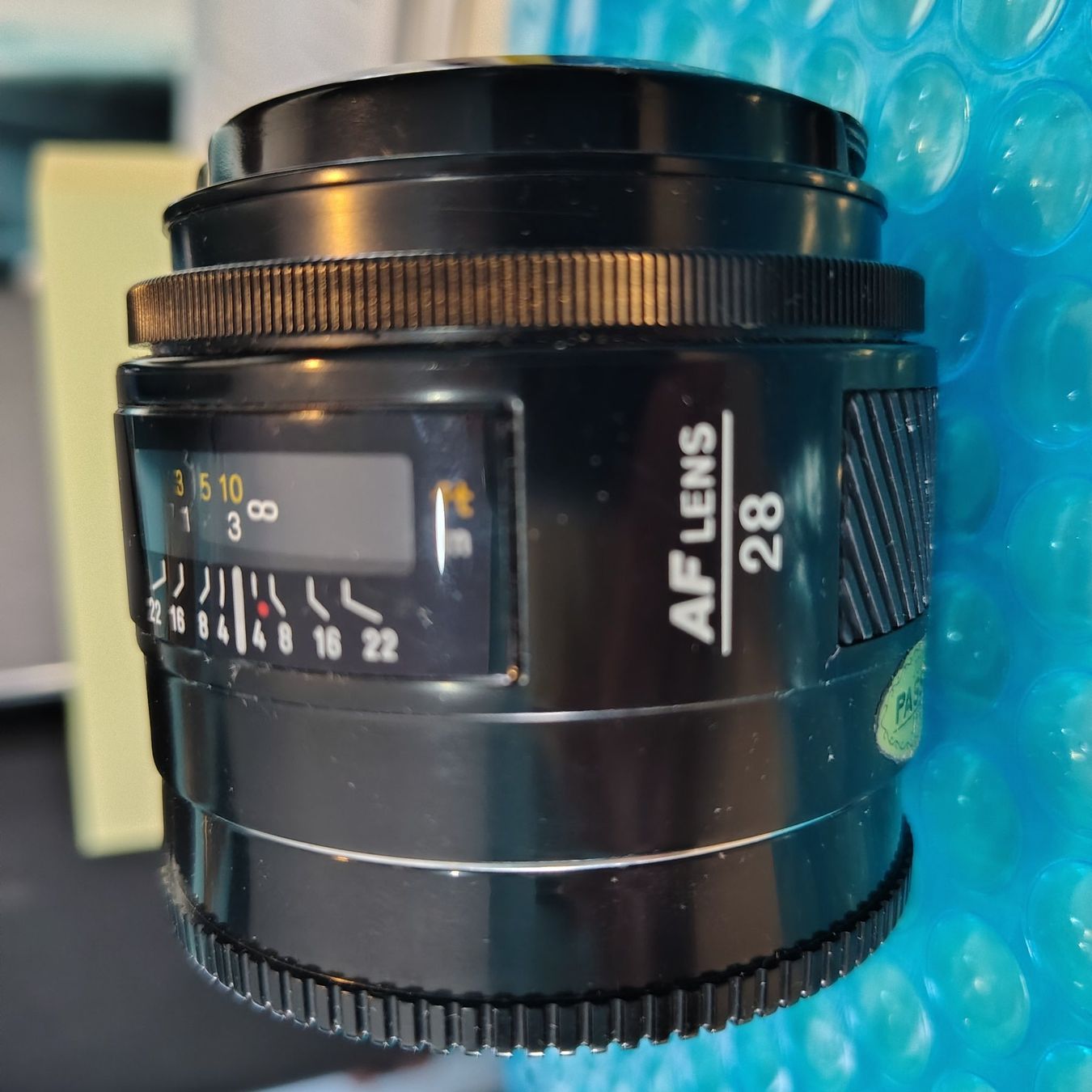
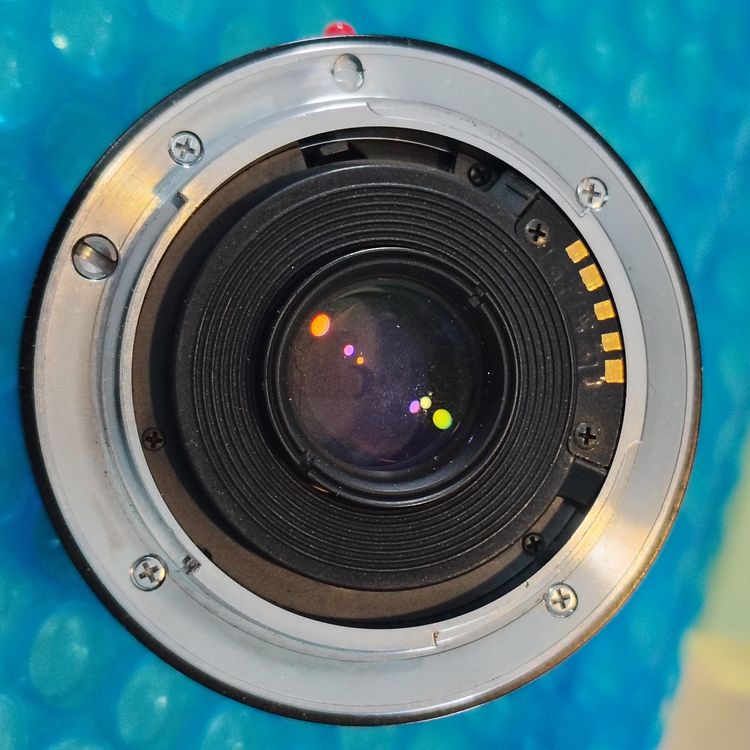
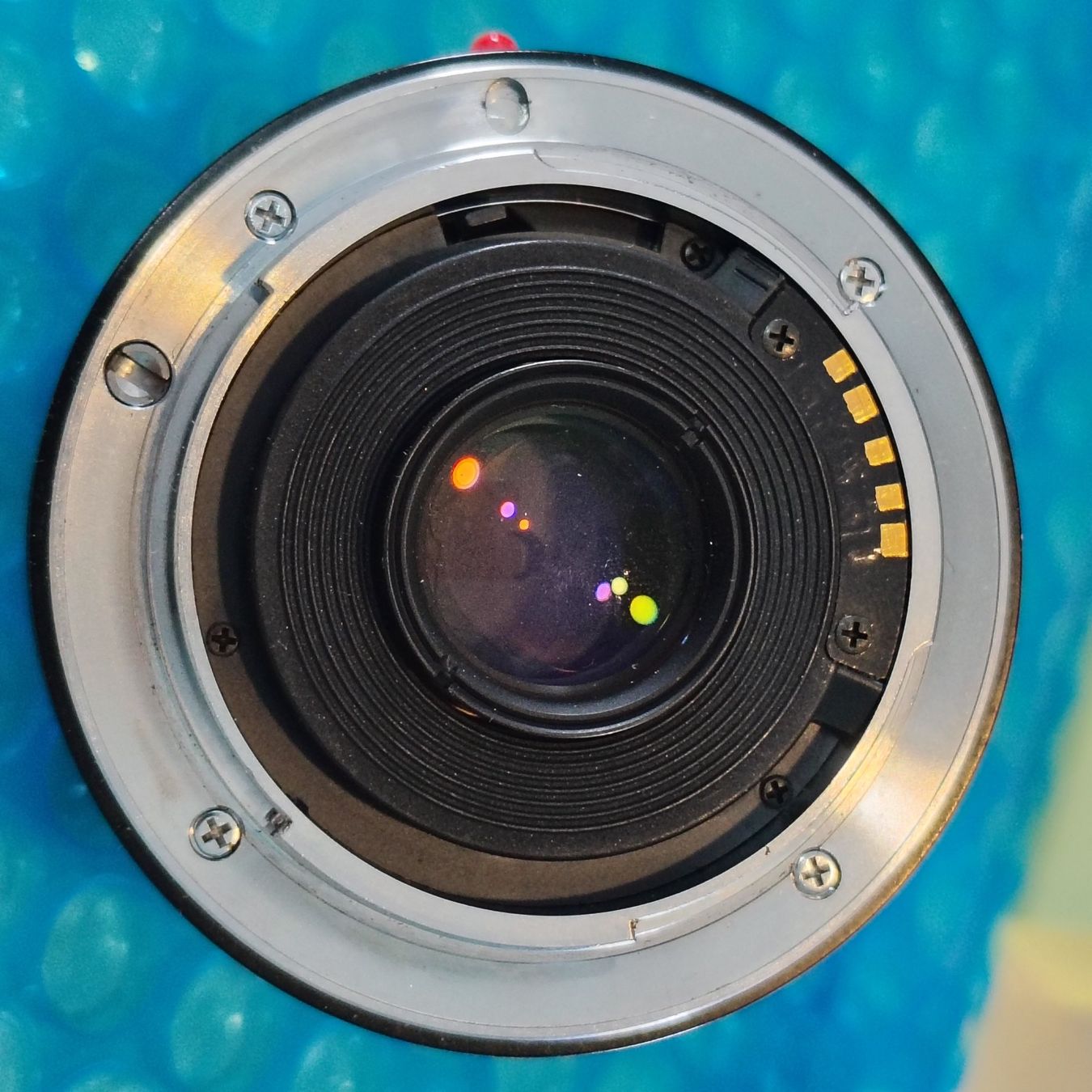
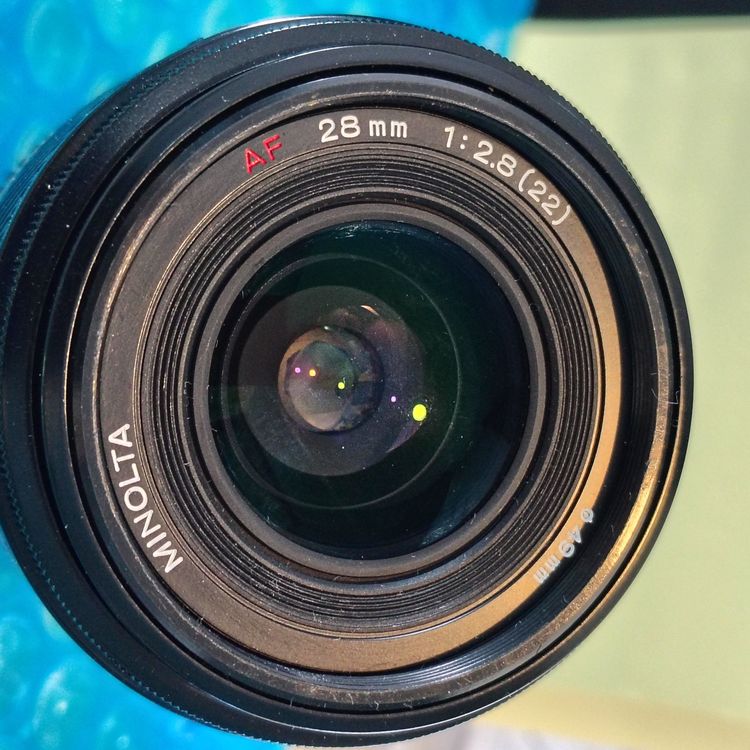
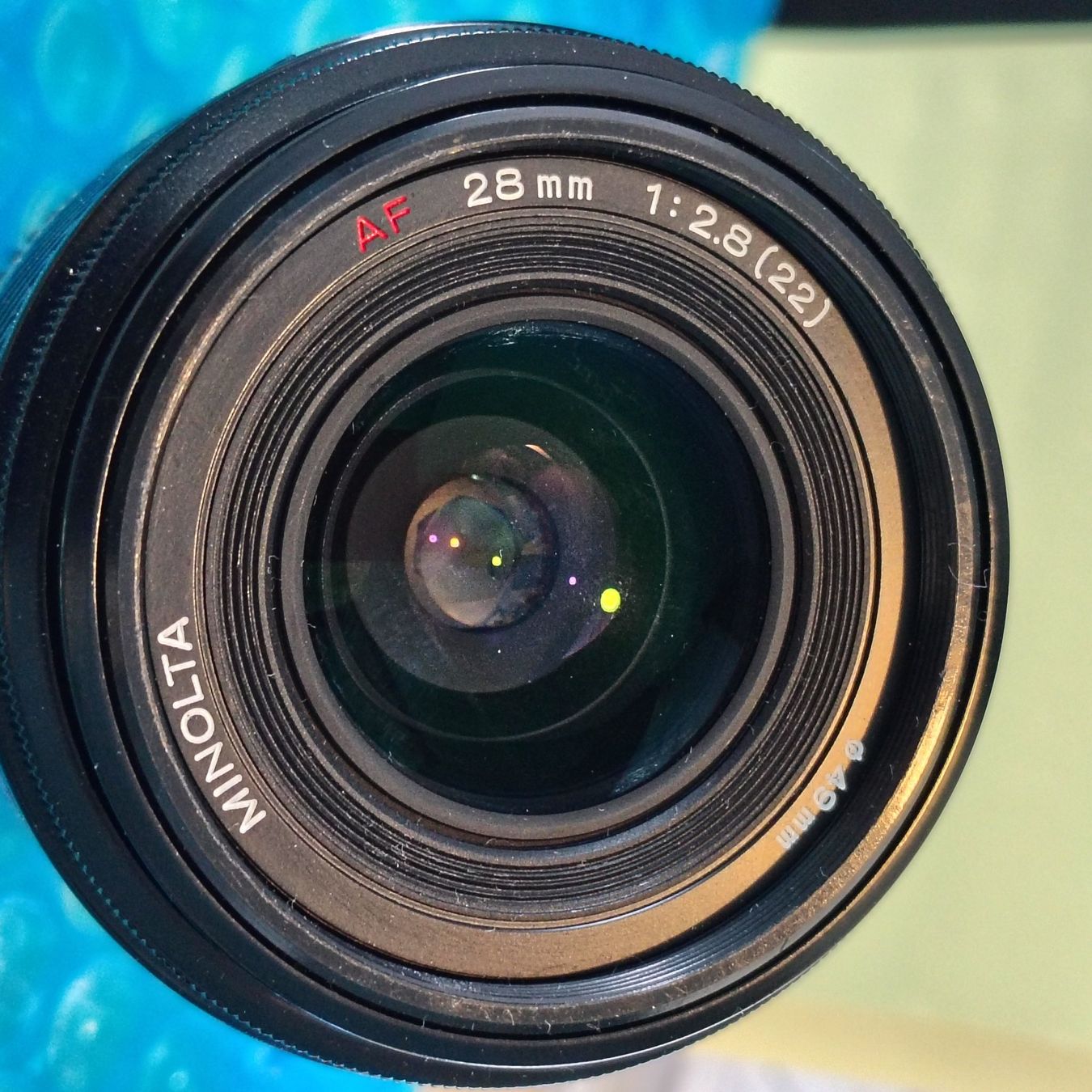
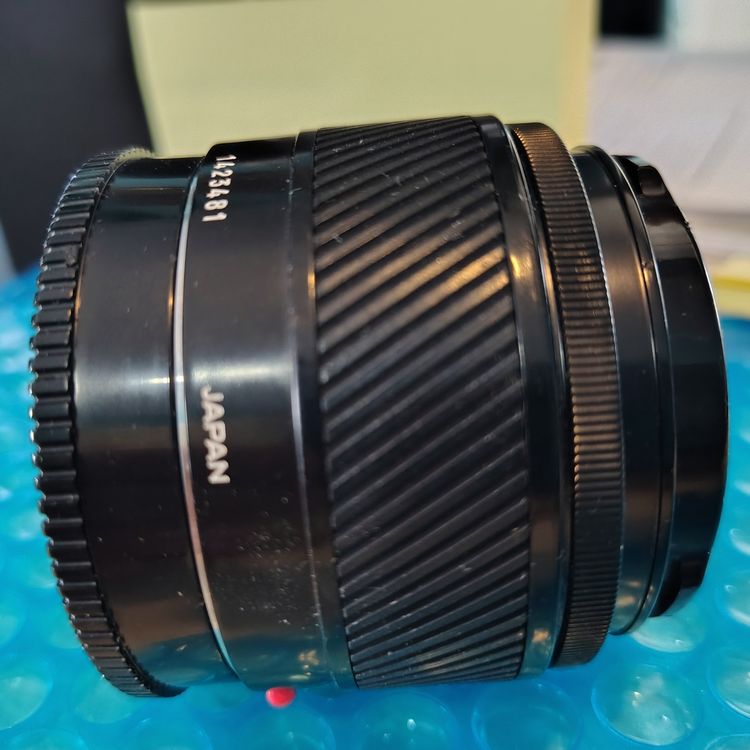
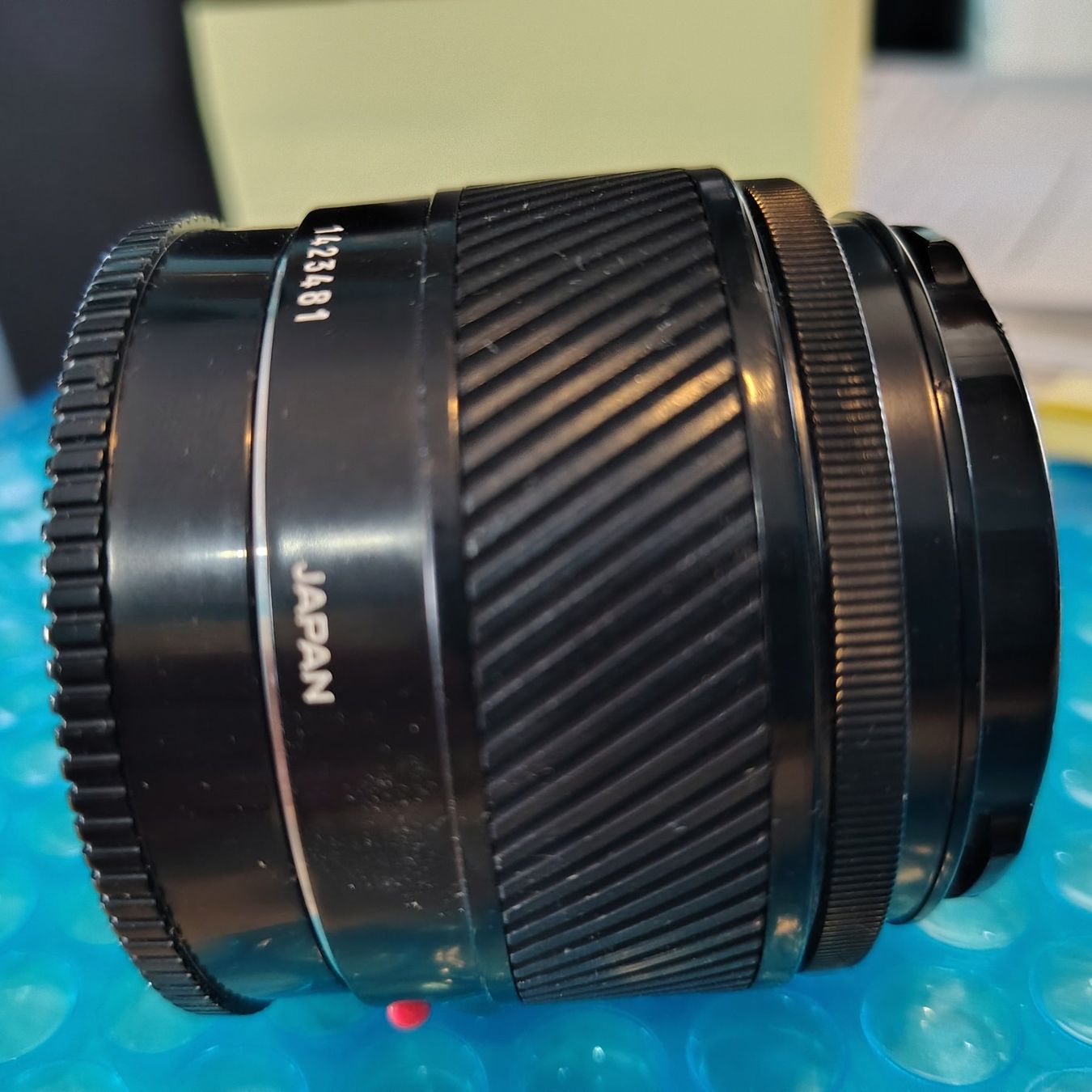
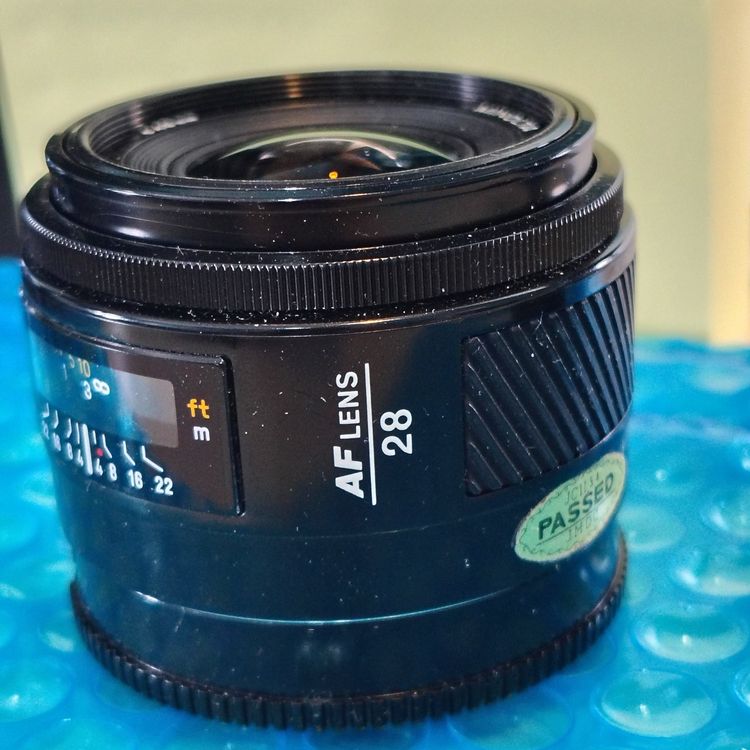
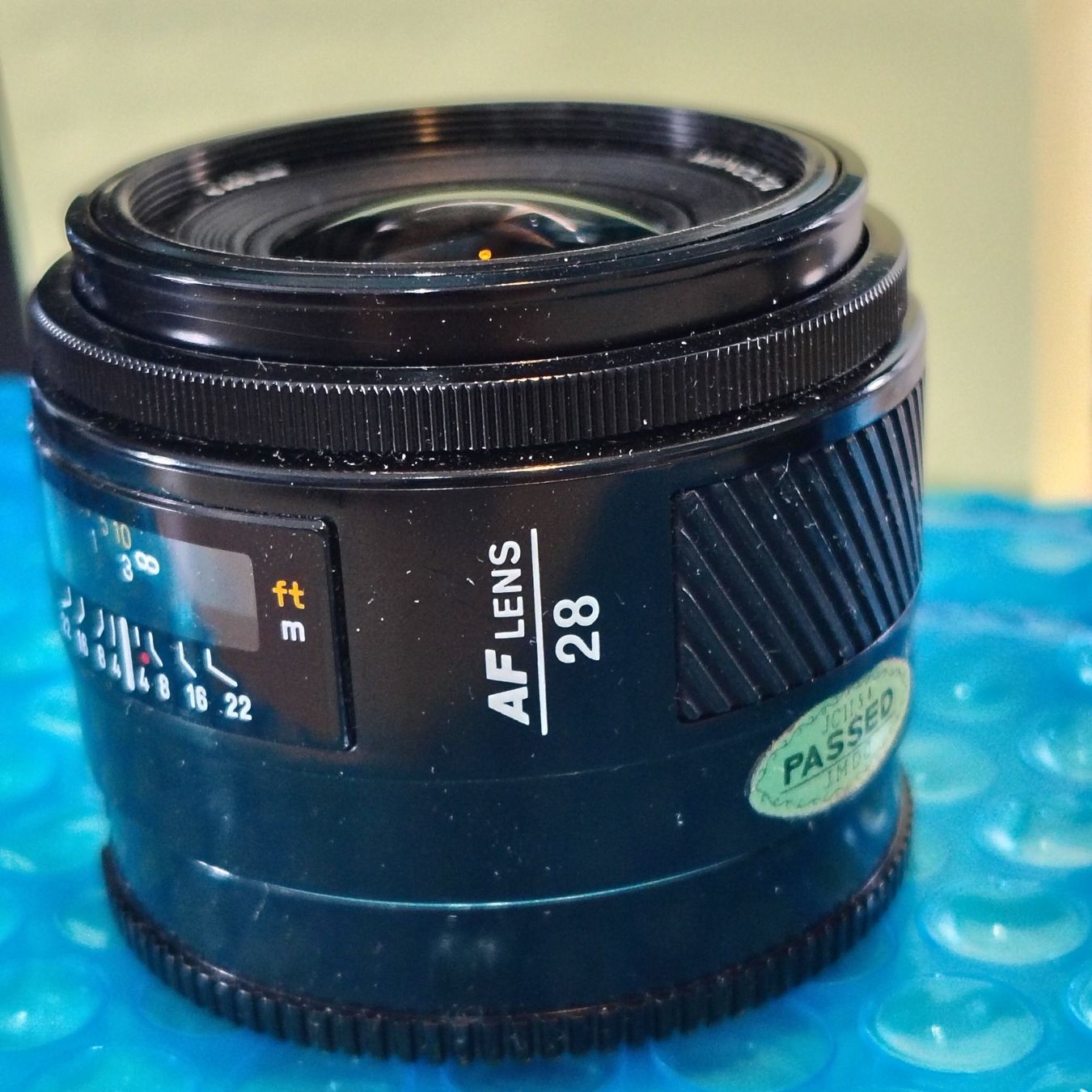



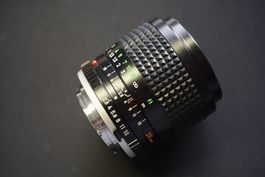
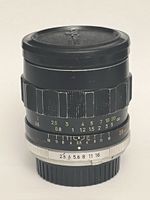
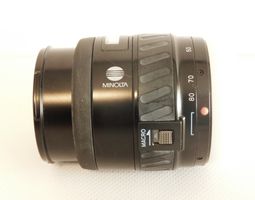
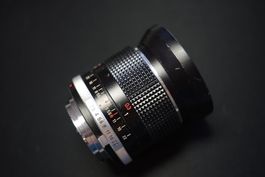
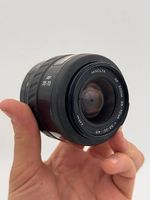
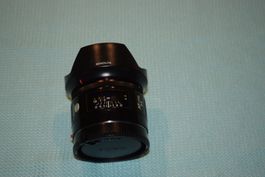
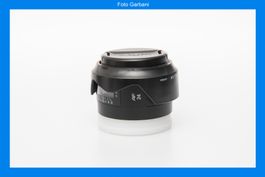
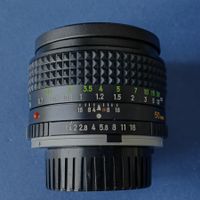
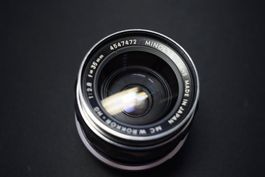
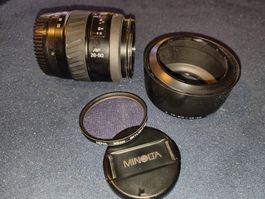
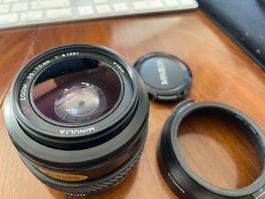
The lens is used and in good condition. It is a Minolta AF 28mm 1:2.8 lens.
Minolta 28mm f/2
Full-frame MAXXUM AF (1986-2006)
For Minolta and Sony Alpha
Minolta Maxxum 28mm f/2 (newer of two cosmetic versions shown here, metal 55mm filter thread, 1'/0.3m close focus, 9.9 oz./280g,
Is an extremely well made and high-performance fast wide lens for all Sony Alpha and Minolta MAXXUM cameras.
Used on today's Sony A99 it has image stabilization and very fast autofocus.
This Minolta 28mm f/2 works perfectly on today's Sony A99, except that the AF-D Depth Map AF (whatever that is) and the automatic lens corrections don't work. So what, the images look fantastic and everything else works, like face recognition and all the focus modes including Direct Manual Focus (DMF) override, so all is well.
It's a marvel of precision, far better made than the plastic garbage Sony sells today. This lens has a super-smooth and precise focus helicoid and a metal filter thread and hood mount.
In fact, it's all metal except for the plastic outer barrel of this sample of the newer cosmetic version. The original 1986 version may have had an alloy outer barrel for all I know.
This is a full-frame lens for 35mm film and full-frame digital, and will be reviewed thusly. Feel free to use this on cropped-frame cameras, too, on which it will give even closer-cropped results.
Minolta 28mm f/2. enlarge.
Specifications top
Intro Specifications Performance Recommendations
Name top
Minolta calls this the MAXXUM AF 28mm f/2 (22).
MAXXUM is Minolta's autofocus brand, also called Dynax outside the US.
The (22) is the smallest f/stop.
Optics top
9 elements in 9 groups.
Unit focus.
Multicoated, but not particularly well.
Diaphragm top
Minolta 28mm f/2 at about f/5.6.
7 blades.
Stops down to f/22.
Conventional straight blades in the 1987-1999 version.
Curved blades in the 1999-2006 version shown here.
Coverage top
35mm film, full-frame and smaller format digital.
Focal Length top
28mm.
When used on an APS-C style camera, it sees an angle of view similar to what a 45mm lens sees when used on a full-frame or 35mm camera.
Angle of View top
75.3º on 35mm MAXXUM and full-frame.
Close Focus top
1 foot (0.3 meters).
Maximum Reproduction Ratio top
1:7.7 (0.13x).
Hard Infinity Focus Stop? top
Yes.
This is great for astronomy; just turn to the stop and you have fixed laboratory-perfect focus all night.
Focus Scale top
Yes.
Depth-of-Field Scale top
Yes, but compressed.
Infra-Red Focus Index top
Not on this version.
Yes, on the older version.
Aperture Ring top
No.
Filter Thread top
55mm.
Solid alloy.
Does not rotate, but moves in and out as focused.
Size top
2.6" (67mm) diameter by 1.9" (49 mm) extension from flange.
It gets longer as focused more closely.
Weight top
9.885 oz. (280.25 g), actual measured.
Minolta specifies 10.0 oz. (285g).
Hood top
Minolta AF 28 2 with hood.
Plastic bayonet.
Same hood as for AF 35/2 and AF 35/1.4, just marked for 28/2.
Caps top
55mm snap-in front cap and standard MAXXUM rear cap.
Quality top
Made in Japan.
Price, USA top
2013 October: About $500 used if you know How to Win at eBay.
Performance top
Intro Specifications Performance Recommendations
Overall Autofocus Bokeh Coma Distortion
Ergonomics Falloff Filters Focus Breathing
Ghosts Hood Lateral Color Fringes Macro
Mechanics Sharpness Sunstars Survivability
Overall performance top
The Minolta 28mm f/2 works very well, especially on a Sony A99.
It's super-sharp, well made and has fast enough autofocus on the MAXXUM 7000 and virtually instant AF on the Sony A99.
Autofocus performance top
AF Speed
AF speed is very fast on a 2013 Sony A99, and fast on a 1985 Minolta MAXXUM 7000.
One full turn (two half-turns) of the AF screw brings it from infinity down to 2.8 feet.
AF Accuracy
On the Sony A99, focus is always dead-nuts on at f/2; I don't need any AF fine-tuning.
Manual Focus
Manual focus is perfect: smooth and precise.
A 65º turn of the focus ring brings you from infinity to 1 foot (0.3m).
Bokeh performance top
On full-frame at closest focus distance at f/2.
Bokeh, the character of out of focus areas, not simply how far out of focus they are, is fair for the background at f/2.
I wouldn't worry about it; nothing is ever much out of focus with a 28mm lens unless you are very close to your subject.
Coma performance top
Coma is common in fast wide lenses. It is when points of light turn into weird shapes in the corners, and contributes to the corners blurring at large apertures.
This lens has some coma on full-frame at f/2. It's less at f/2.8, and gone by f/4 or 5.6.
Condition as pictured no screw on filter.




-56-d-objektiv)
-sony-alp)


)

)
-bouchons)