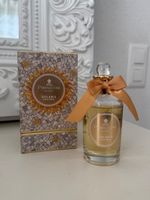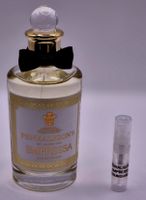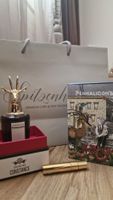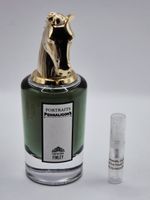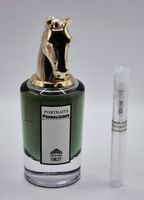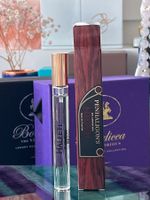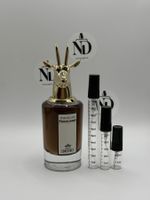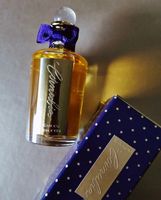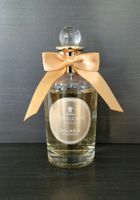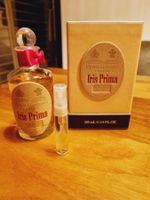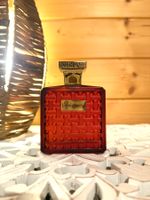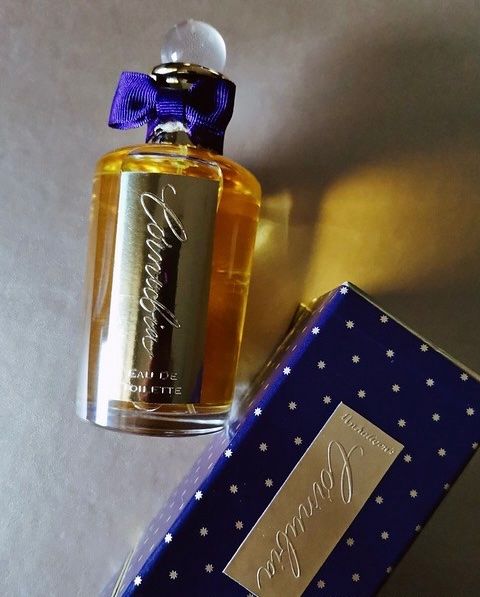
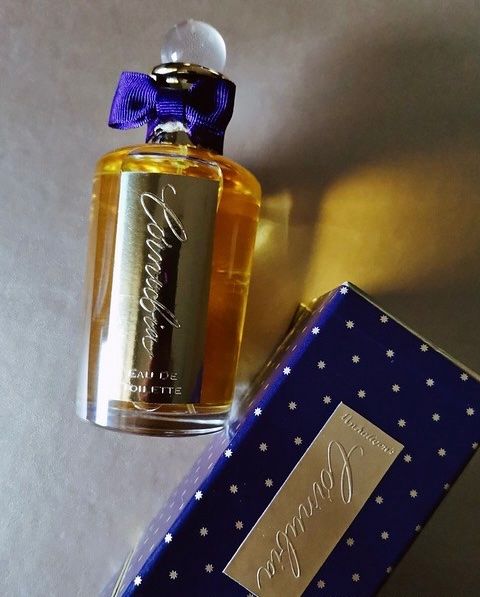
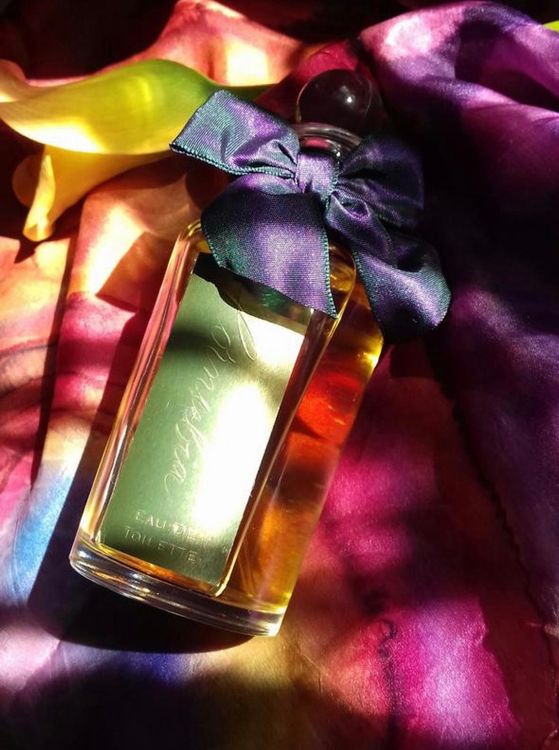
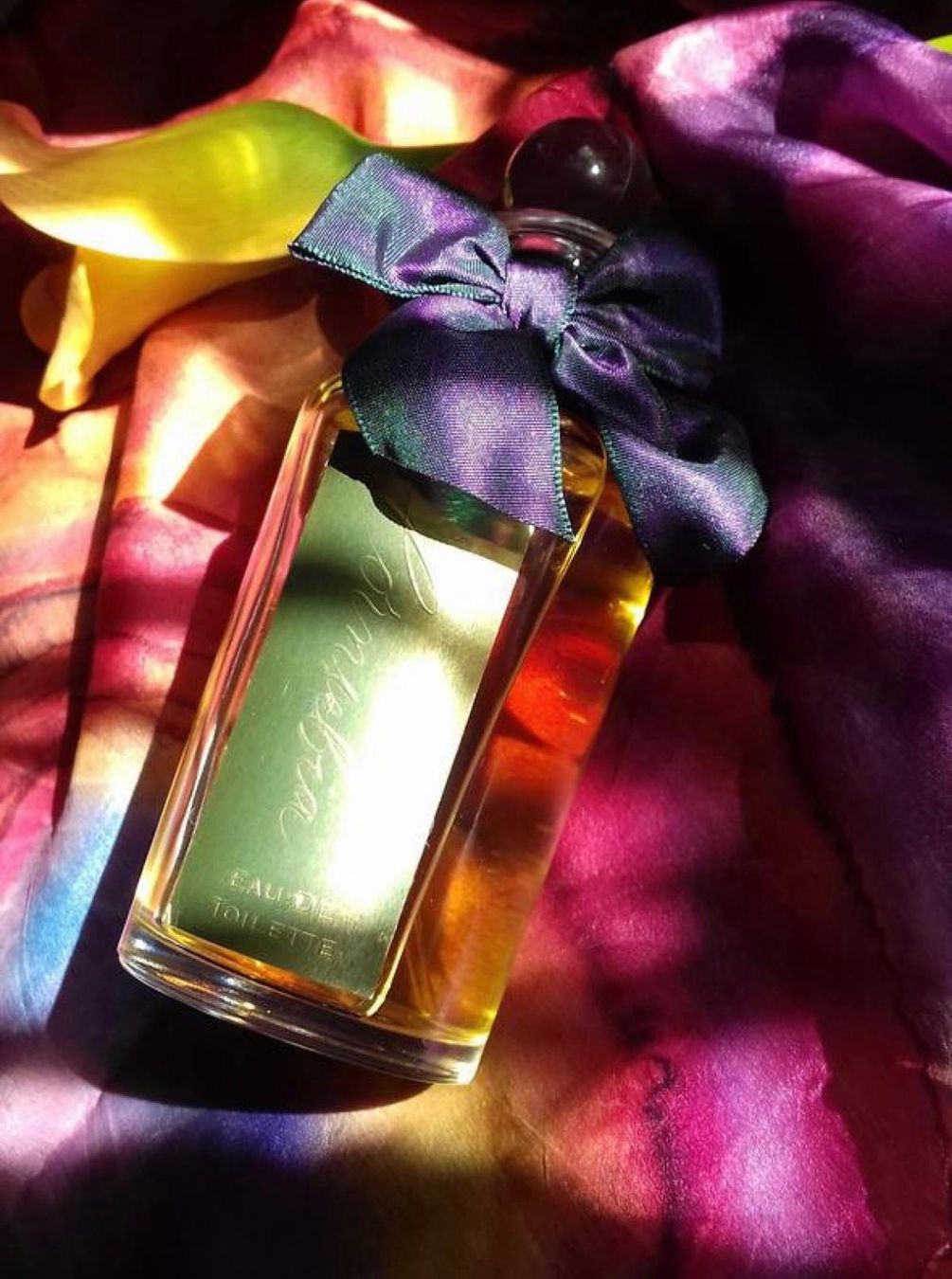
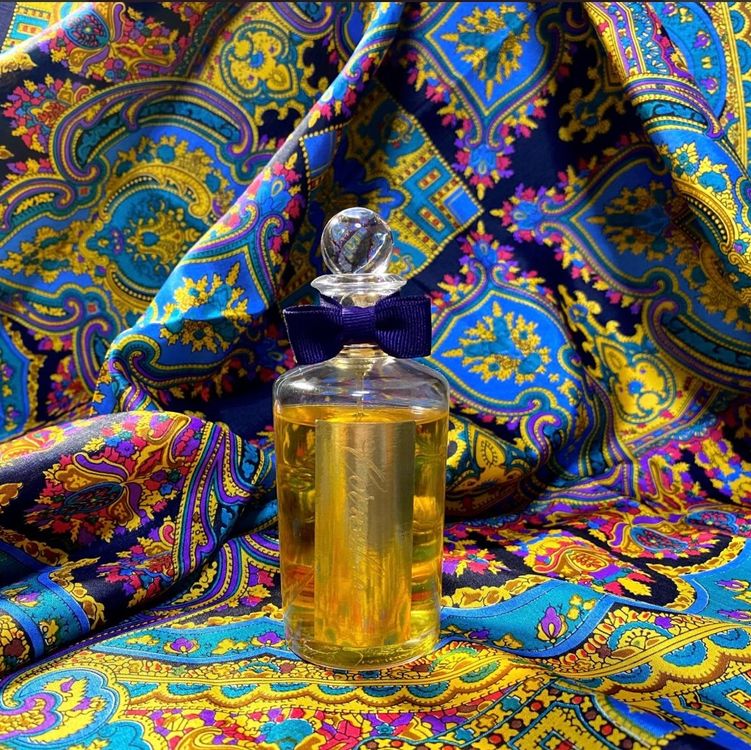
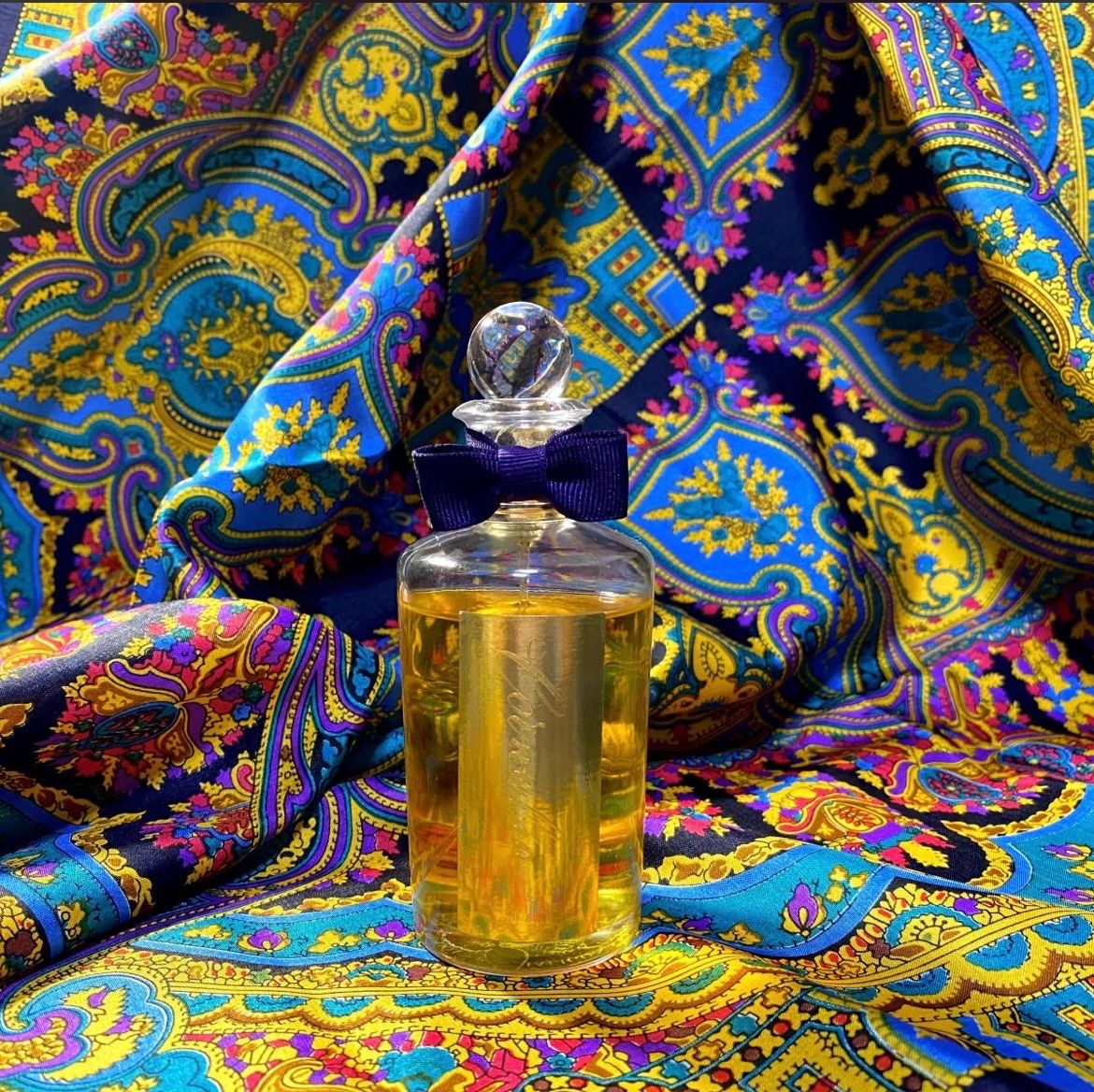
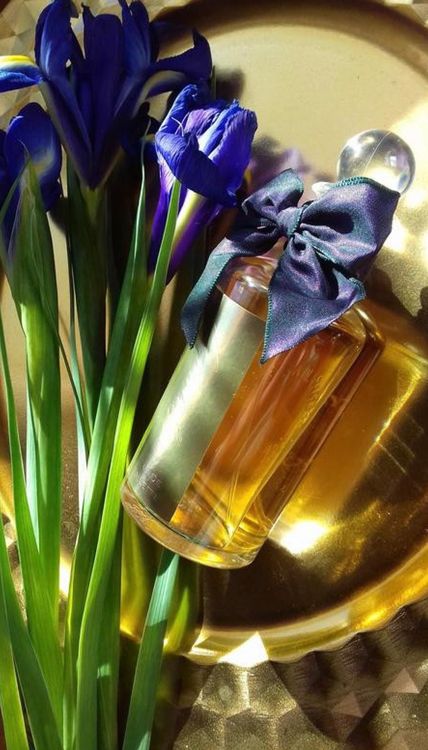
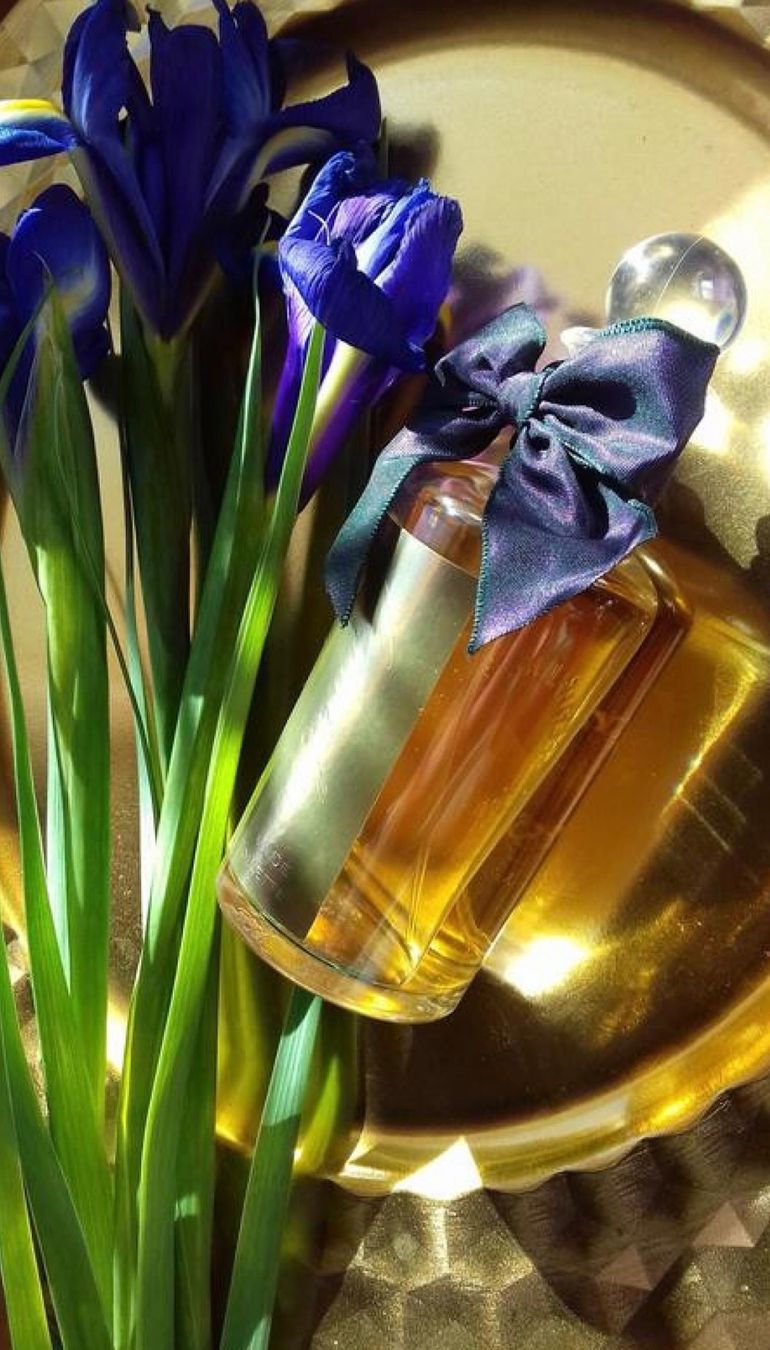
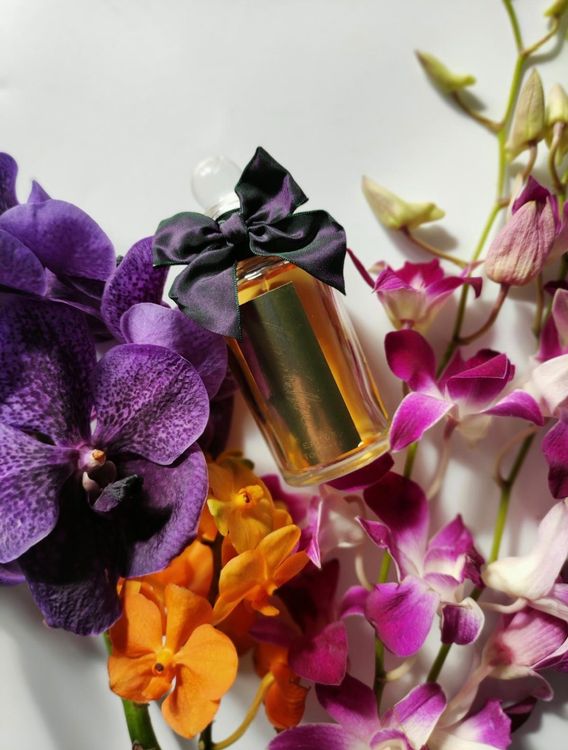
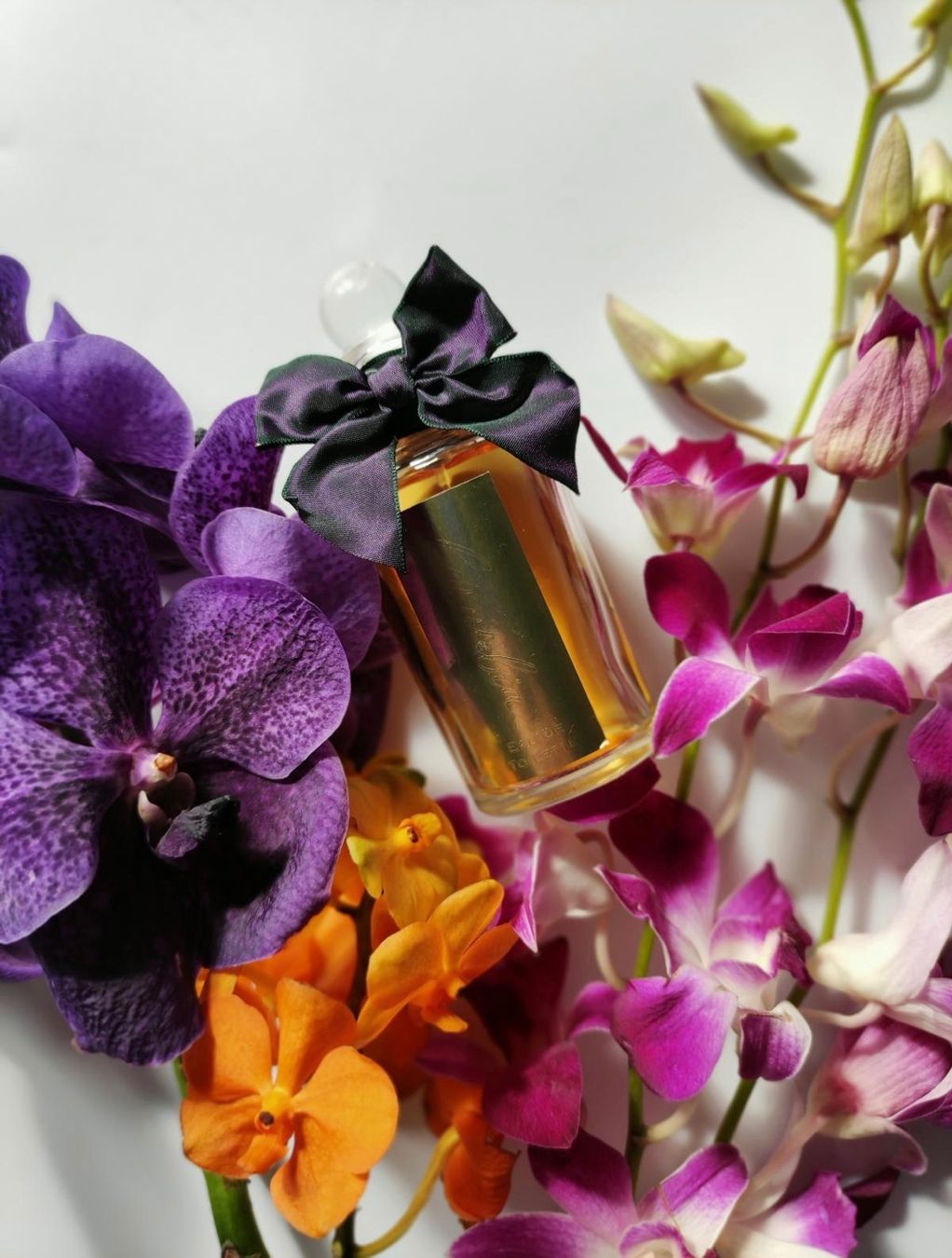
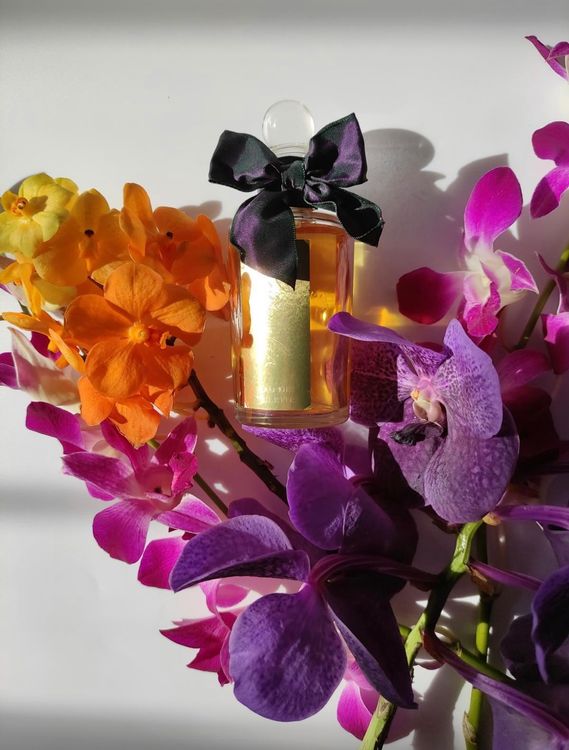
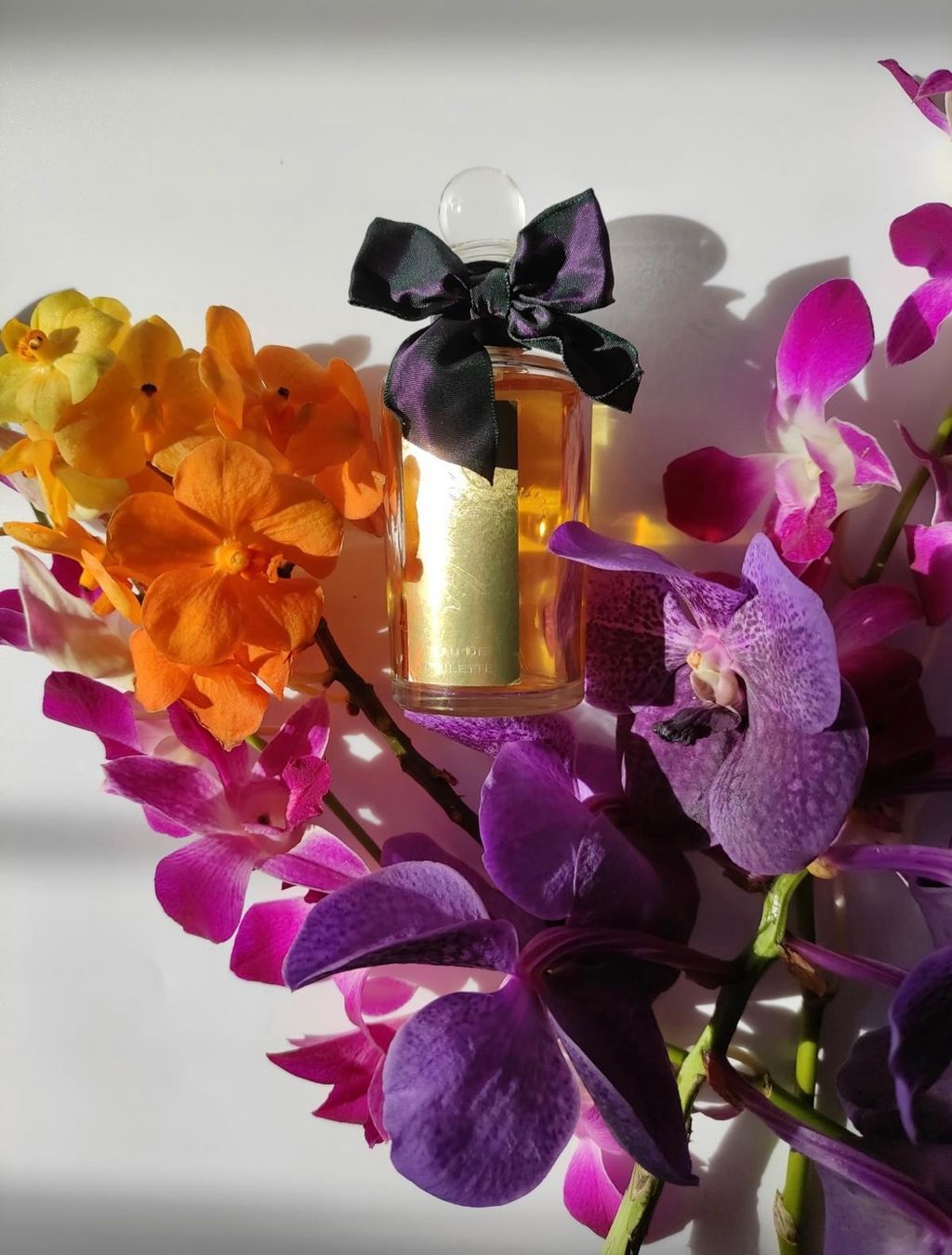
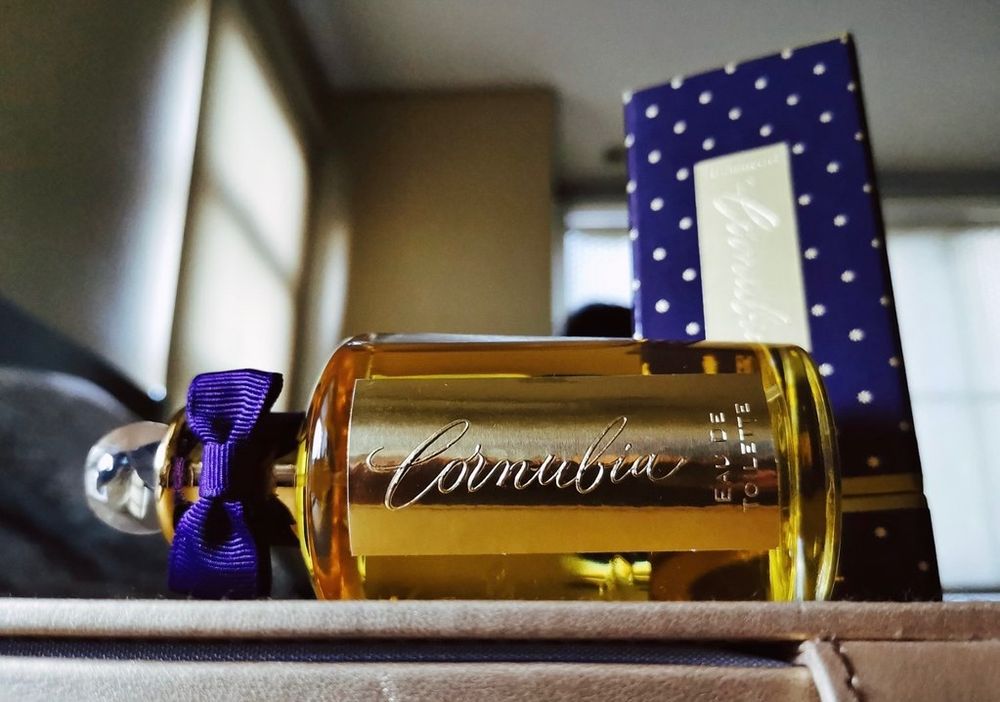
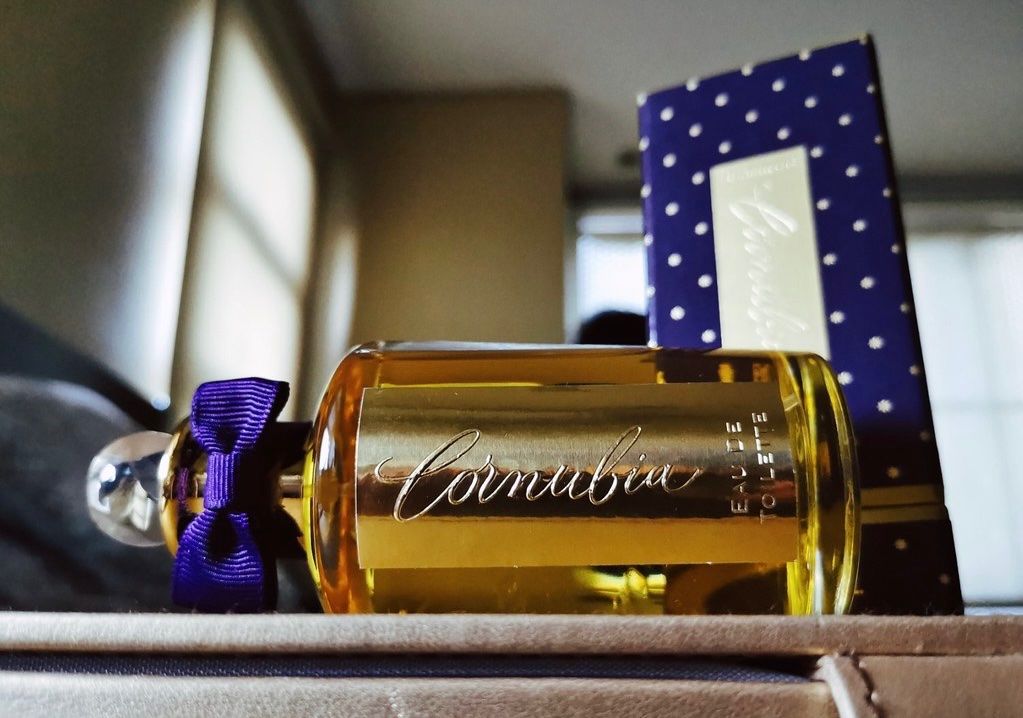
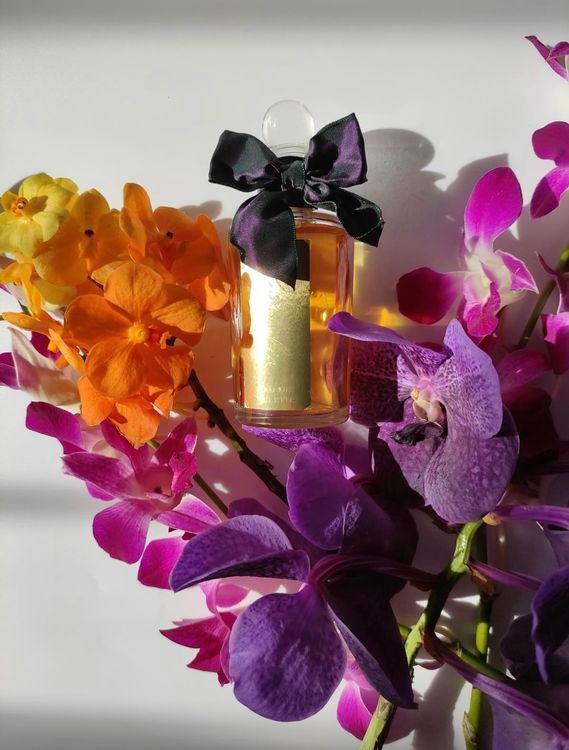
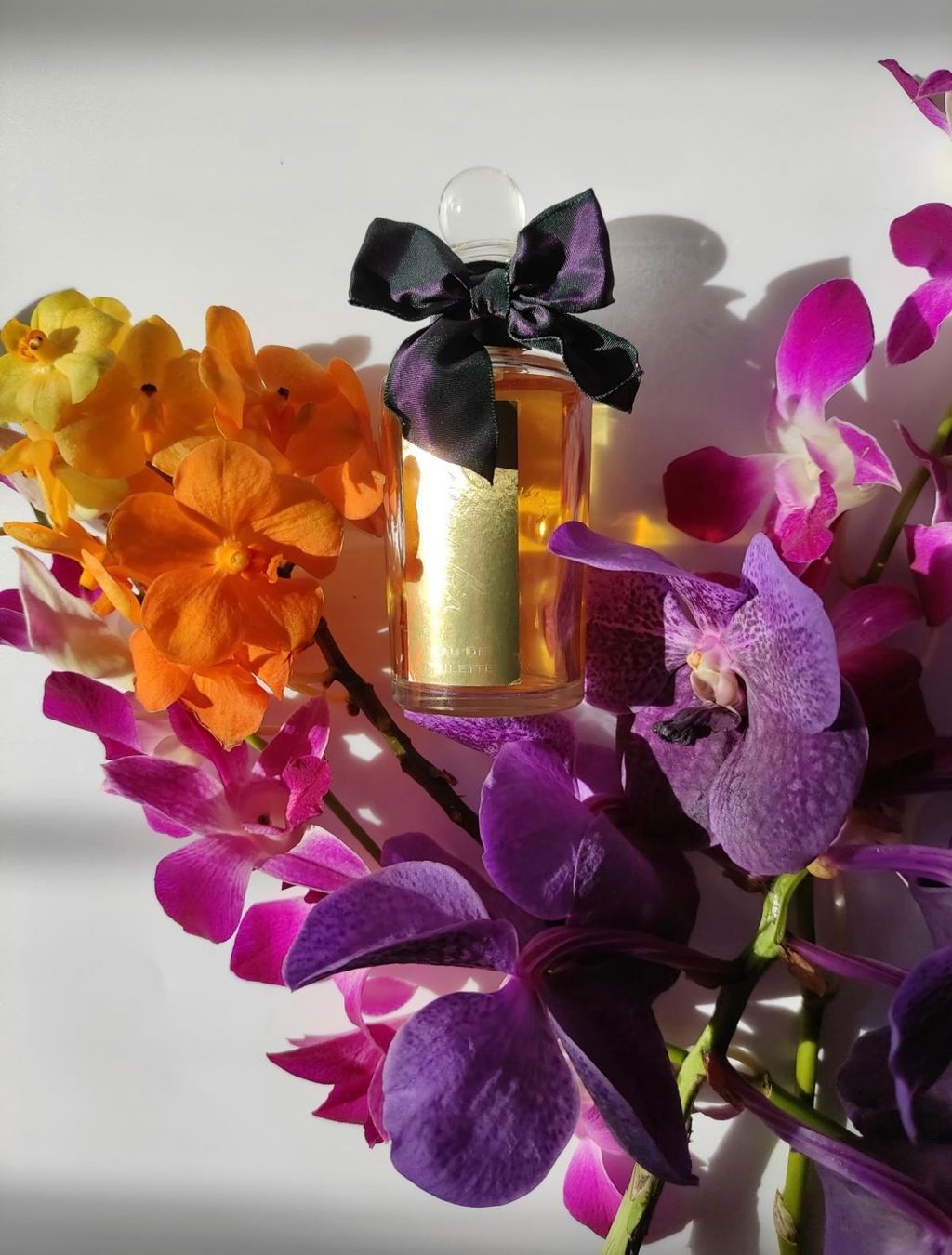
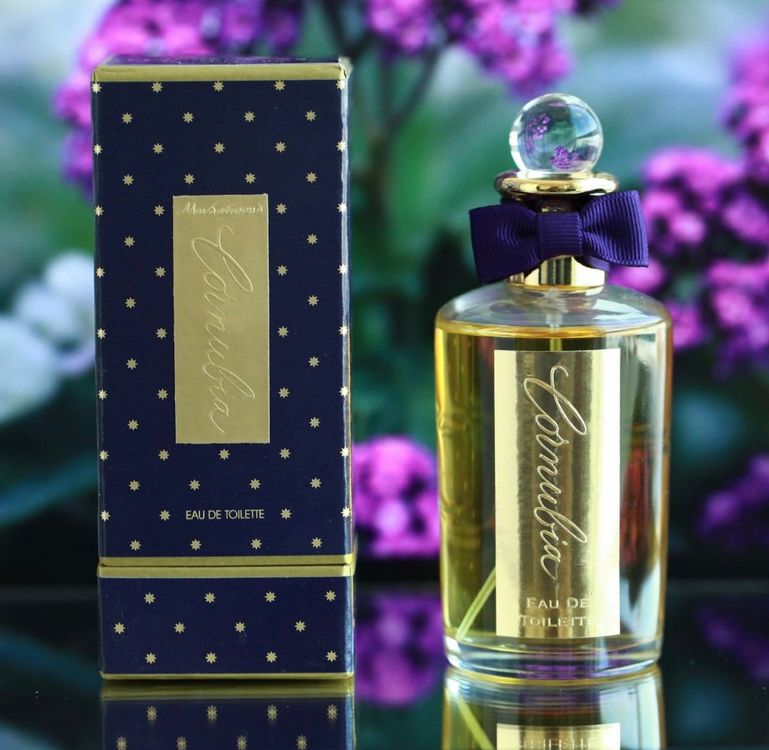
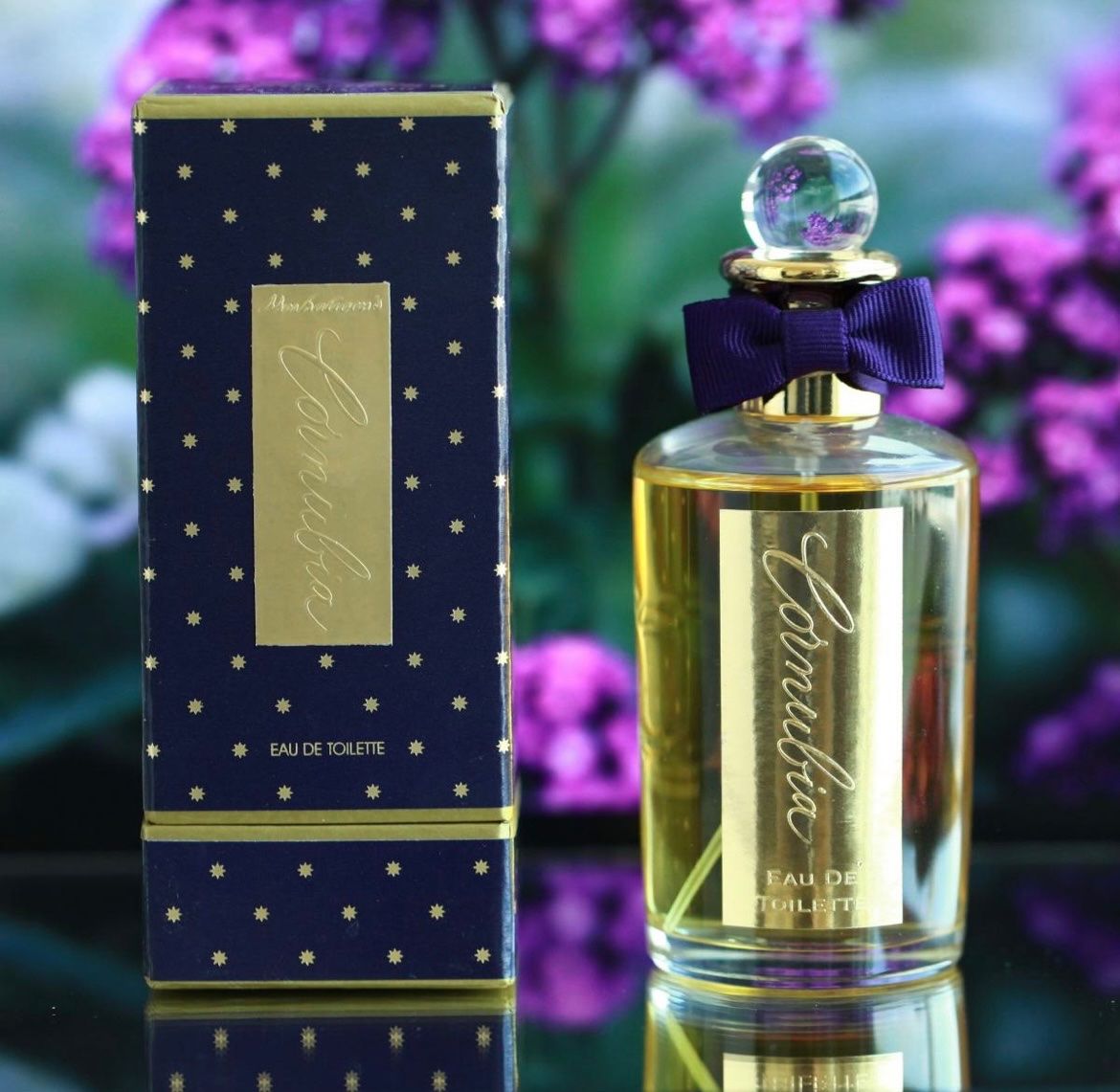
6 ml sample
Cornubia by Penhaligon's is a Amber Floral fragrance
Top notes are Neroli, Freesia and Mandarin Orange; middle notes are Heliotrope, Orange Blossom and Jasmine; base notes are Amber, Vanilla, Musk and Woodsy Notes.
This great house still stands amid a deer park on the outskirts of the village of Seven Oaks, on the land bewitched by none other than Queen Bess, where time stands still. A fragrance that is a spitting image of the manor, and the oldest that Penhaligon's offers today, is still available for purchase.
From that first blissful stage of unity in childhood, the memory of Vita would hold on to the heavenly beauty of her mother's face and the scent of her perfume, "always the same one, which is always the case with elegant people and society ladies" as Alexander Dumas Sr. used to say. In Lady Sackville's case it was the scent of white heliotrope.
Cornubia is the Latin name for Cornwall, a Celtic region in the South-West of Britain (where the brand's founder, William Penhaligon was from,) although that word also hints at another Latin word, cornucopia - the horn of plenty, a symbol of a life of bliss and luxury.
It is a delightfully luscious floral bouquet, where heliotrope plays first fiddle. Its creator is unknown due to the fragrance being really old. It came out in 1910, two years before another heliotrope classic, Guerlain's L’Heure Bleue, was launched, the latter being perceived almost as avant-garde in comparison.
Cornubia is still a very Edwardian scent, a very secular scent, very here-and-now, still confident that the era of beauty and wealth would never end, while L'Heure Bleue is the perfume of vanishing reality, a scent of nostalgia for things that cannot be returned, a fragrance of a world that foreboded the Great War and the fact that the Golden Age would forever be history afterwards.
Playing the lute in a room at Knole
Its first stage brings us the characteristically Penhaligons-like warm candied citruses, merging into one delicious whole with the note of neroli, surrounded by the cooler and more delicate floral note of freesia. A bouquet of white flowers in the middle surprisingly does not seem vulgar (as it would if the ubiquitous tuberose were there together with orange blossom and jasmine,) and the reason for that is heliotrope, which gives the composition an original twist, making it more velvety, pushing it away from the demi-monde, that is typically unavoidable with such ingredients, unto some other more sophisticated terrain.
It is also that particular note that saves the woody-vanilla finish from giving off the impression of a pastry shop. At this stage the heliotrope sounds a bit bitter, making the vanilla darker, but not heavier. Also in its long trail (sillage) is Cornubia similar to L'Heure Bleue, but it sounds more rounded, thicker and darker.
It is a wonderfully old-fashioned fragrance; cozy, comfortable, enveloping; an impression of a warm room, soft pillows, heavy drapes, lush potted greenery against the dark oak panels that were all the rage in the Victorian era. However, its paradox is that the fragrance's domestic languor can change to a hurricane of passion or flames of scandal at any given moment.
Cornubia is the perfume of a strong, rather untamed personality that is awash in the ebb and flow of her own emotions, feeling at ease in any type of situation.
Lady Sackville who was friends with sculptor Auguste Rodin and won two sensational lawsuits in the first decade of the 20th century, thus shocking London society ("The Case of Sackville Peerage" and "The Case of Murray-Scott's Inheritance",) would be the perfect candidate to wear it.
In the Parisian estate of Bagatelle, located in the Boulogne forest, there are a pair of sphinx statues next to the main pavilion. The pavilion was built by the Count of Artois for Marie-Antoinette in 1775, and in the beginning of the 20th century it was rented by a certain Sir Murray Scott, who was platonically in love with Lady Sackville. The sphinxes appeared at that very time.
Cornubia is dry and effervescent like ginger ale, but replaces the ginger with heliotrope. This big, neon heliotrope, an oversized bouquet, flanked with talc-soft orange blossom and jasmine. It's showy, verging on strident, but what keeps it in check is a warm amber and lubricious musk.
Somewhere in the heart I get something that reminds me of creamy, peachy plumeria blossoms, and there are definitely phrases in the development that echo L'Heure Bleue and Cacharel LouLou. However, is more gregarious than the former and a bit more polished and perhaps more unisex than the latter, but like both, it has a strong personality, and would likely require a strong personality to wear it with panache.
This can conjure up all sorts of old world tropes like boudoirs, ornate vanities, viewing the opera through lorgnettes, penny arcades and croquet.
💌 Shipping only in Switzerland🇨🇭
❤️
We are happy to combine shipping.